Lockouts · Port Whitby
Lost Keys — Same-Visit Rekey in Port Whitby
The lawyer's envelope held two keys for the new house.
In plain words
How much a lost key matters depends on what was lost with it. A ring that dropped into a lake on a canoe trip tells nobody where it fits, so the rekey is a tidy precaution. A ring taken with a wallet or bag that carried your address is a different story: someone now holds both the key and the door it opens, and the rekey comes first. The locksmith asks about this on the phone, says plainly which situation you are in, and schedules the visit accordingly. The work is the same either way, and so is the outcome: a key nobody else has.
How the visit goesYou let a part-time employee go on Friday. The shop key is on a ring in their apartment, or their car, or a friend's kitchen, and on Monday morning the register and the stock room open with it.
Lost Keys — Same-Visit Rekey
How the visit goes
How many keys, and who gets them
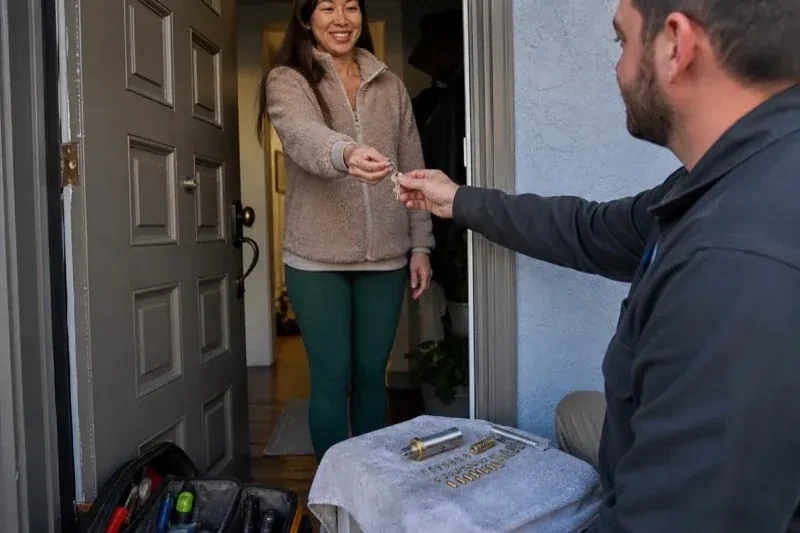
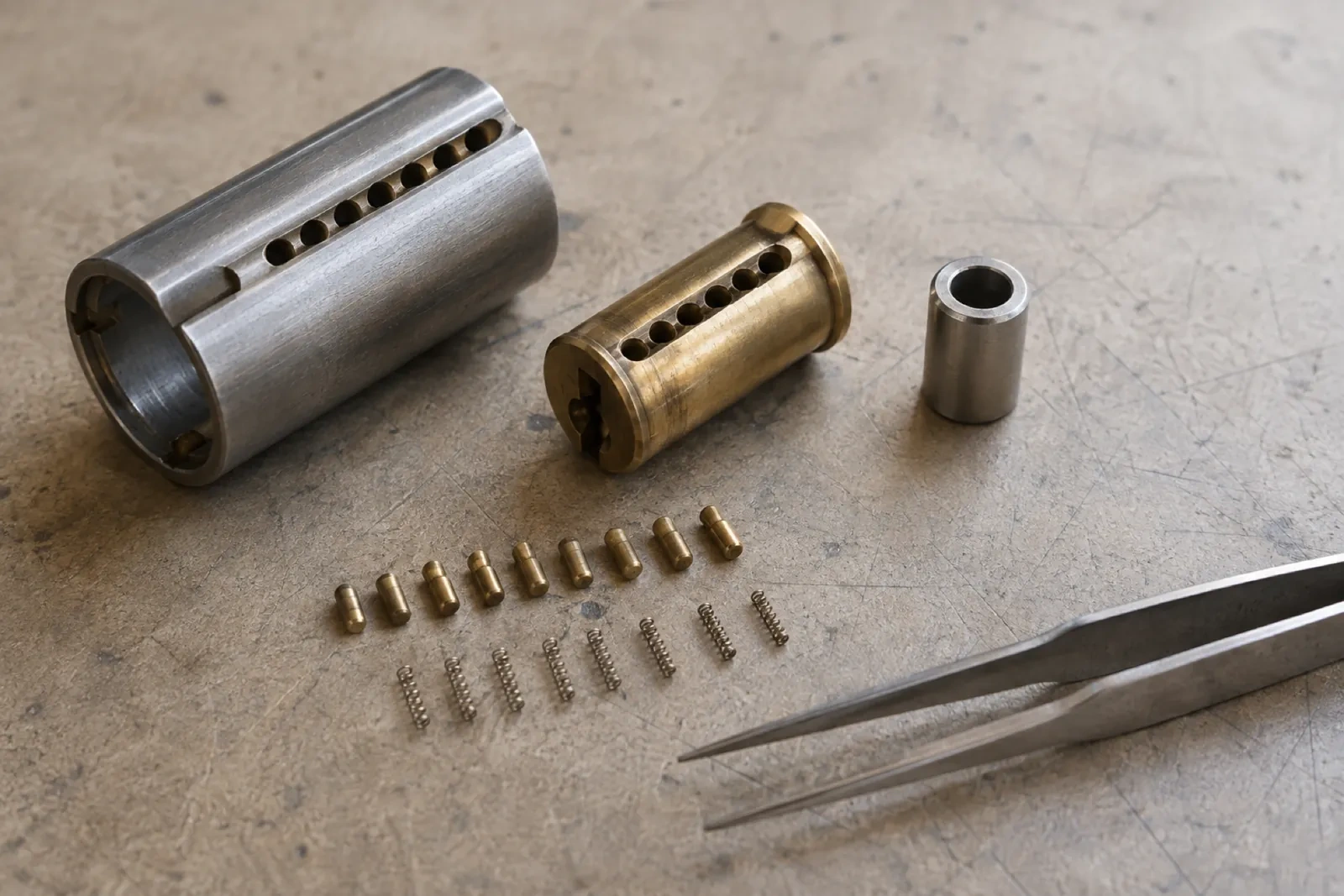
Before pins are touched, the number of keys is agreed, because that number is the whole point of key control. The locksmith asks who in the household or business needs one: each adult, a teenager, a caregiver, the neighbour who feeds the cat, the landlord, the cleaner. Each name gets a key and the total is written down. Anyone who had a copy of the old key but is not on the new list is, from that moment, simply someone without a key. Knowing the count on day one is what makes it possible, years later, to say with confidence exactly how many keys to this property exist.
Bringing every door onto one key
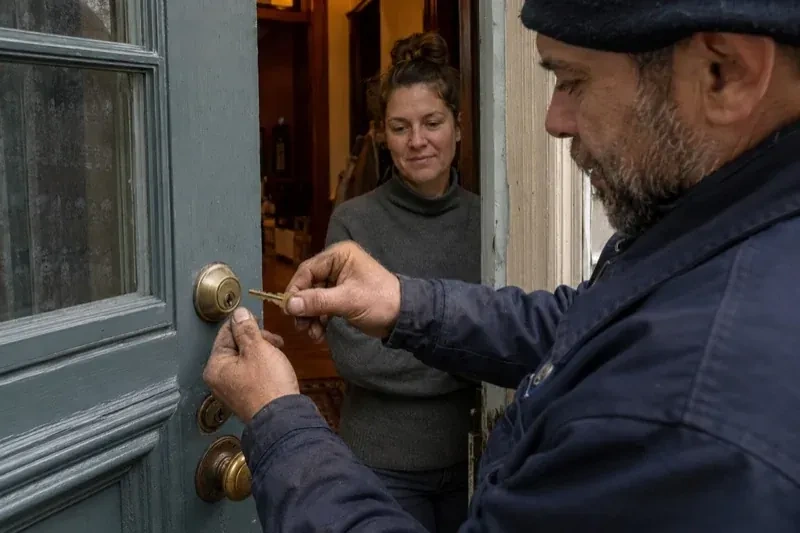
When the household wants a single key, the locksmith pins each compatible cylinder to the same combination in turn, using the same cut key as the reference so nothing drifts between doors. A cylinder from a different keyway family is exchanged for one that matches, or the household keeps a second key for that door if they prefer. Where a home has a keyed garage entry, a shed and a gate on the same list, they follow the same process. The finished set is tried door by door with a single key, and the spare cylinders and old keys are gathered up so nothing that fits the old combination stays in circulation.
When to think about rekeying again
Rekeying is a repeatable act, and after this visit you know what triggers it. Moving into a new home, because previous occupants and their helpers may hold copies. A contractor or tenant leaving without handing a key back. A separation or a change of roommates. A ring lost with anything that names your address. Manufacturers list exactly these moments, and a household that treats them as routine stays in control of its doors for decades with the same hardware. The locks on the door today can be repinned many more times; only the small pins and the keys change each time.
Lost Keys — Same-Visit Rekey
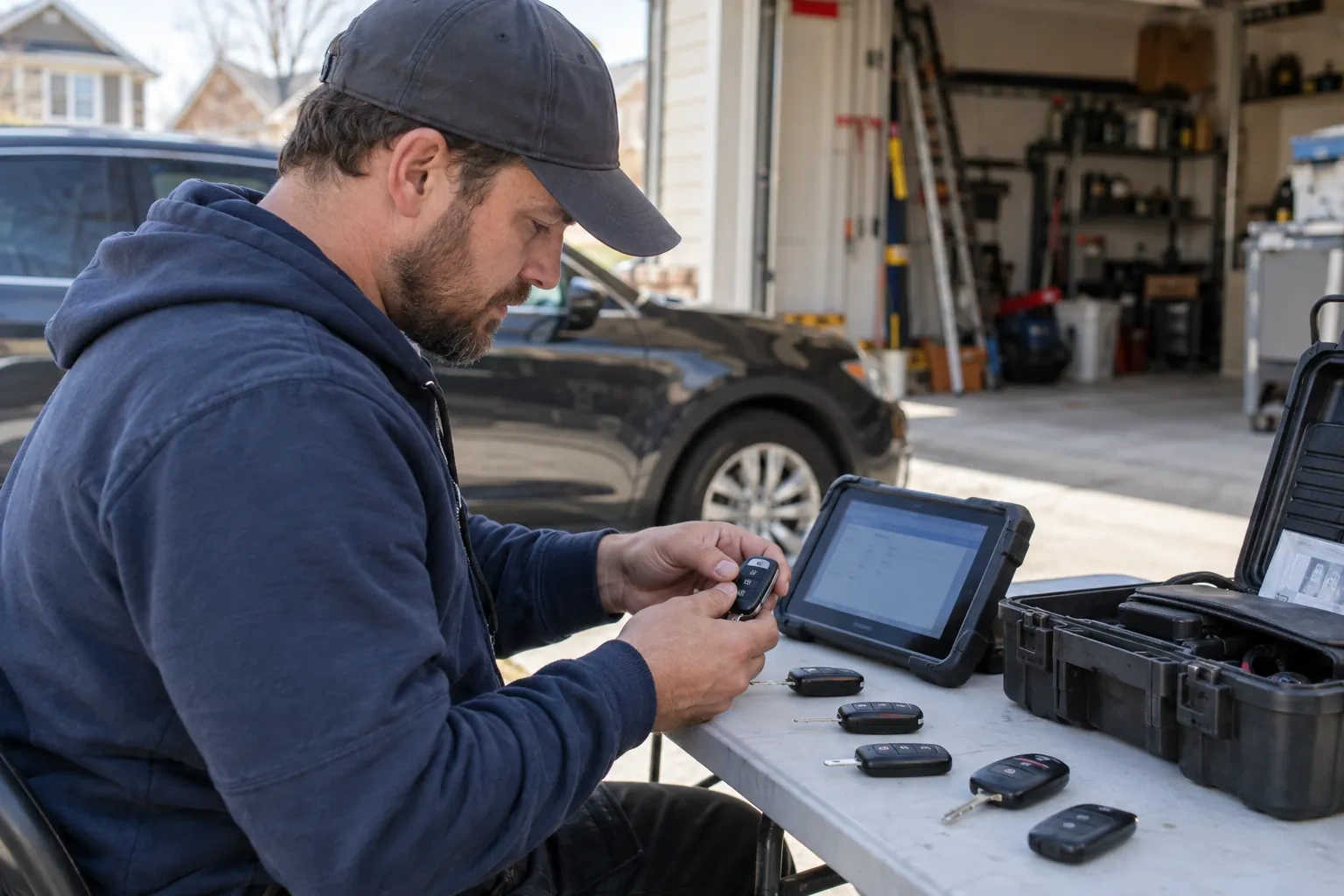
In the van
Key blanks in common keyways
Key tags and a key register
Rekeying pin kit
Cylinder retaining-clip and cap tools
Key gauge and decoder
Lost Keys — Same-Visit Rekey
What affects the quote
The kind of lock each cylinder lives in
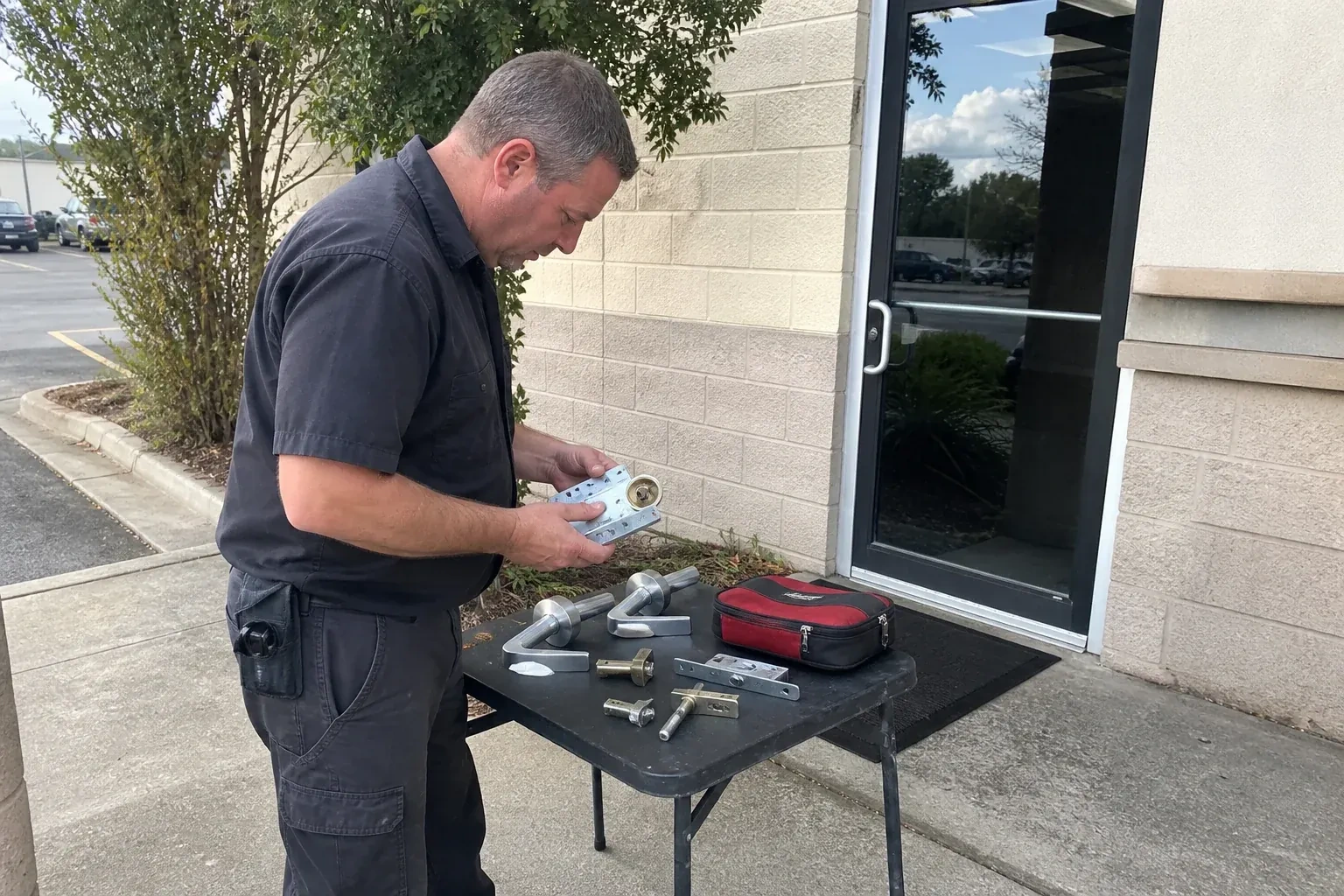
Knob, lever, deadbolt, mortise and rim cylinders come out of the door differently and take different care to refit. A mortise cylinder in a century home is more involved than a builder-grade knob.
Outbuildings, gates and padlocks
Sheds, gates and detached garages often carry padlocks or light cylinders. Bringing them onto the house key may mean a new padlock of a matching keyway, quoted as a part.
Number of keys cut
New keys are cut on site and counted individually. Two for a couple or six for a household with teenagers and a sitter: name the number and the quote reflects it.
What to have ready
- Do you know roughly how many copies of the old key exist?
- Is any lock a keypad, smart lock or homeowner-rekeyable type?
- Was anything with your address, such as a licence or a mail tag, lost with the keys?
Lost Keys — Same-Visit Rekey: questions
QuestionsHow long does a whole-house rekey take?
Plan on an hour or two for a typical house with three or four cylinders, including the walk-through, identification, pinning, cutting and testing. Each additional cylinder adds a little, as does swapping a cylinder to bring a mismatched door onto the same key, resetting a homeowner-rekeyable lock or clearing a garage opener. The locksmith gives a realistic window on the phone once the list of doors is known.
The ring was stolen with my wallet and licence. What changes?
The priority. A stolen wallet gives the holder your address, and the ring gives them the key to it, so the rekey moves to the front of the queue and the locksmith says so when you call. The work itself is the same: every cylinder the key fitted is repinned and new keys are cut. It helps to list the doors on the phone so the right pin kits and blanks are on the van when it arrives.
Is rekeying the same as changing the locks?
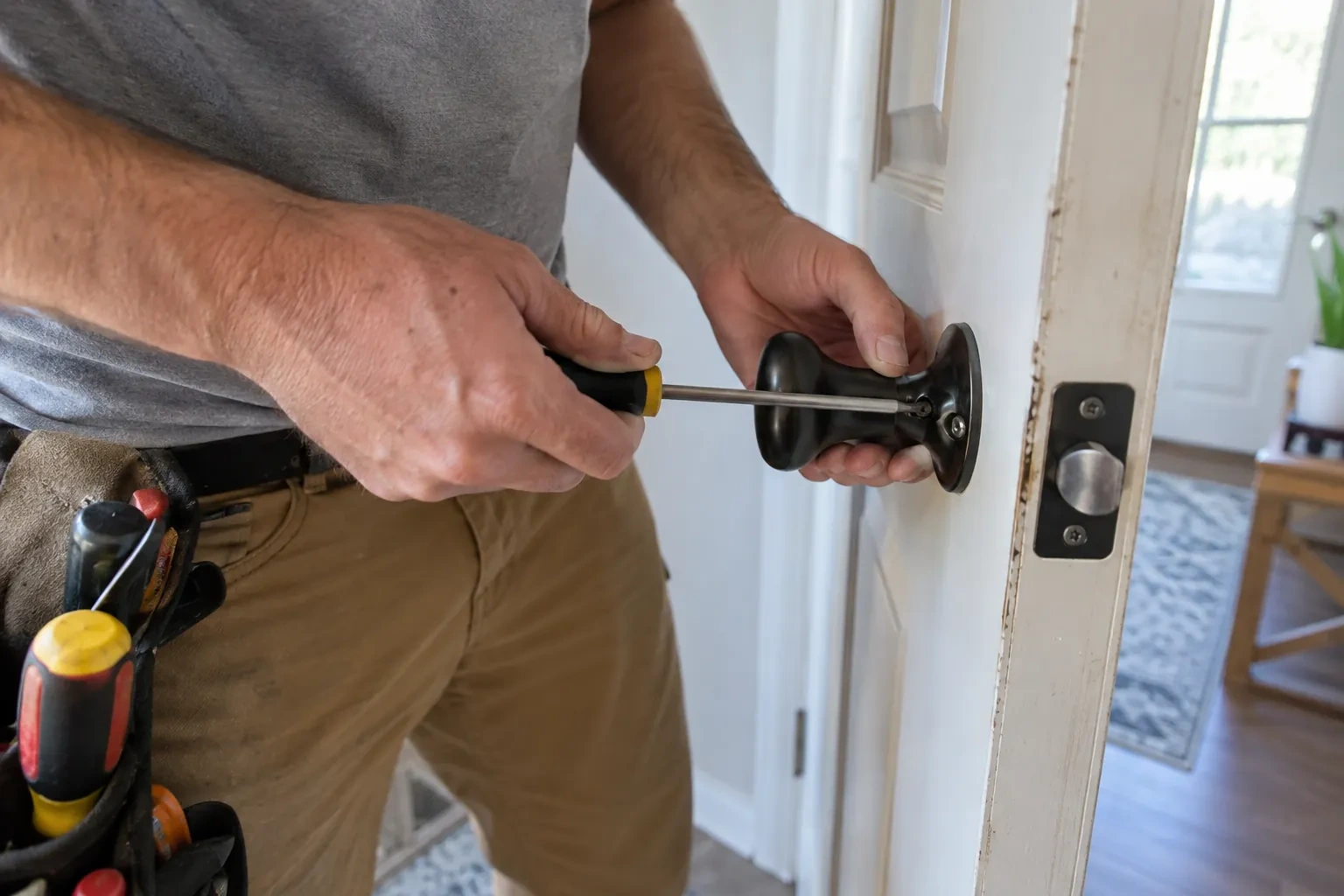
They lead to the same result, a door that a different key opens, by different means. Changing the locks puts new hardware on the door. Rekeying keeps the deadbolt and handle you have and changes what is inside the cylinder, commonly the bottom pins on a conventional lock or a reset on a homeowner-rekeyable one, so a new key operates it and the old one turns nothing. For hardware in good condition, rekeying is the natural choice after a lost key because nothing about the door's look or fit changes.