Change or rekey
Change or Rekey Locks
Gate locks, building entry locks and shared vestibule doors are part of residential work too, especially for townhouses and small walk-ups. These pages cover hardware that lives outdoors and gets used by many hands.
Which one do I need?
- Your basement tenant has given notice, and a new one arrives on the first.Lock Rekeying
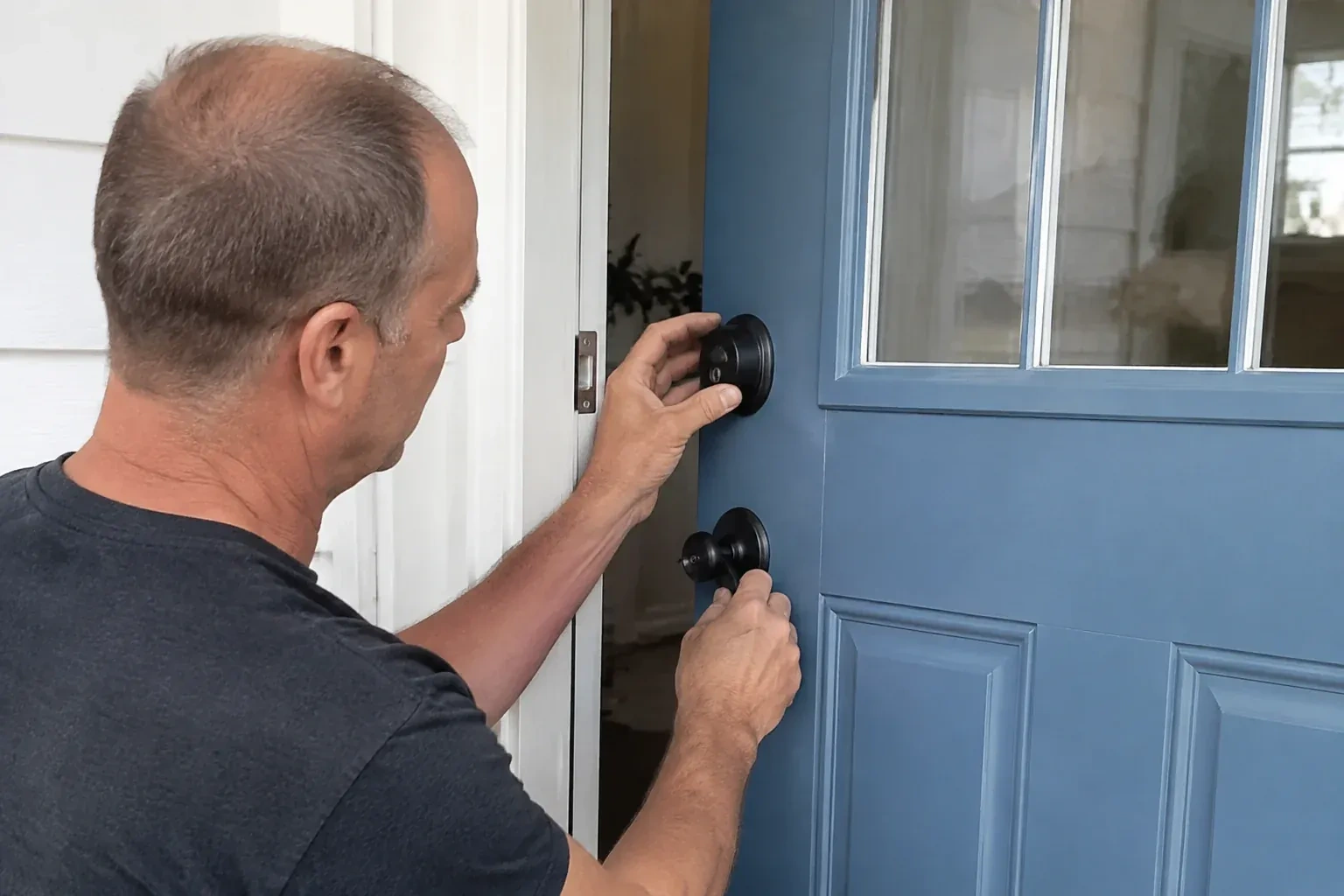
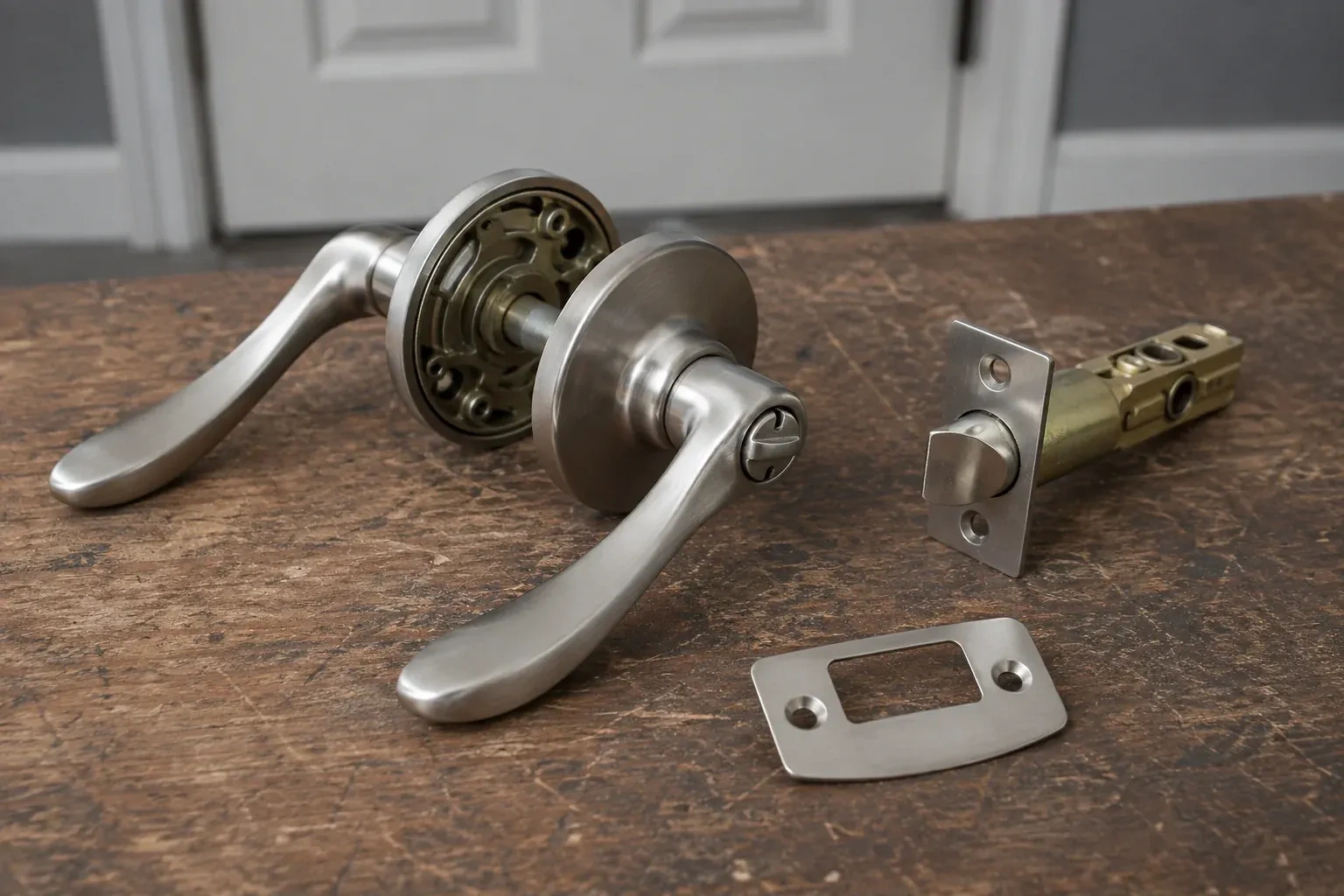
- The back door has a deadbolt in name only: a short bolt, a thin brass strike held by two little screws, and a jamb you can flex with your palm.Deadbolt Installation
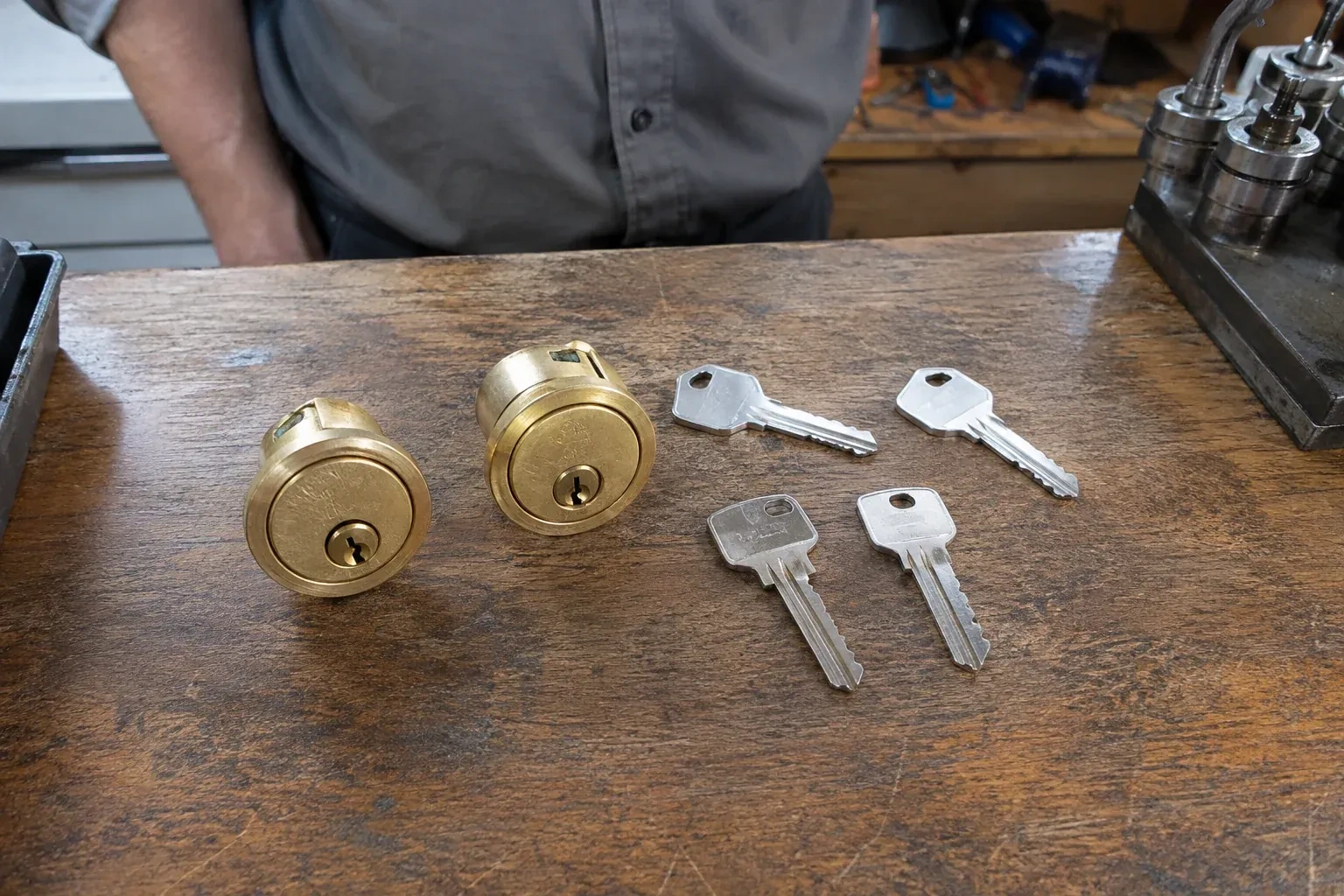
- The keys the seller handed over came in a sandwich bag: six unlabelled copies for two locks of different makes from different decades.Lock Replacement & Upgrade
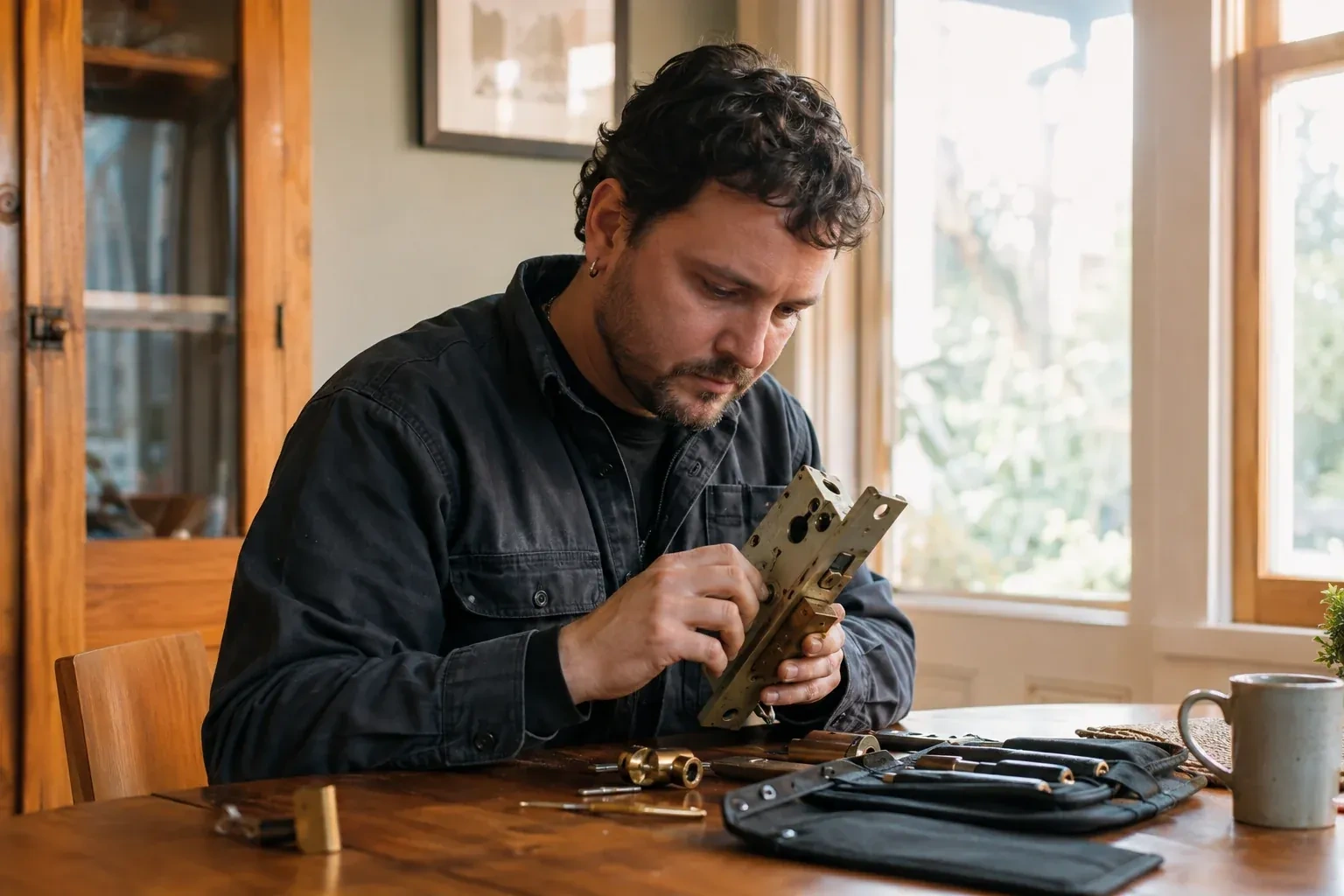
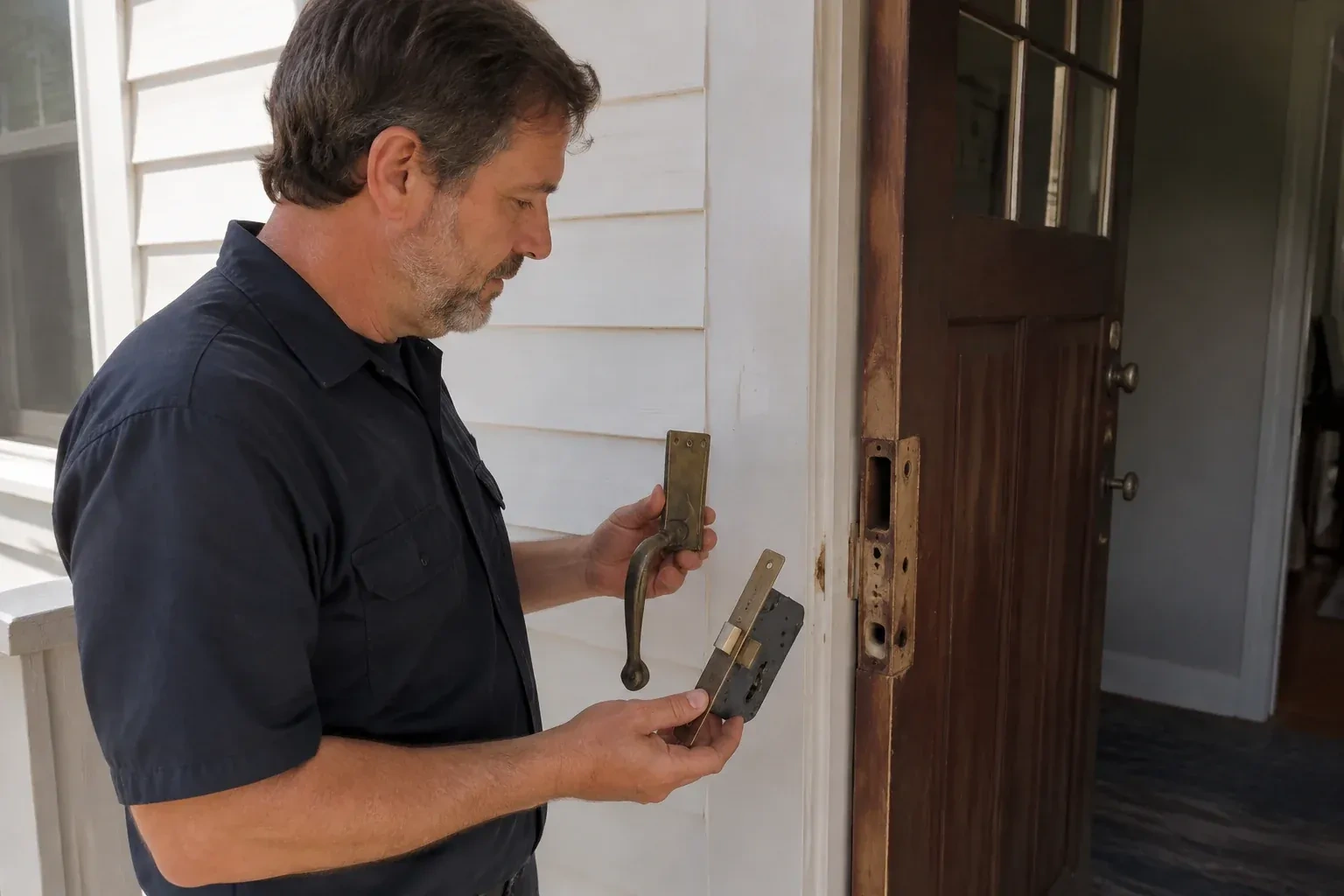
- The key turns freely in the round cylinder on the door, all the way around and back, without the bolt shifting at all.Vintage Mortise Lock Service
- Half the evenings someone asks whether the back door got locked, and nobody is sure.Smart Lock Installation
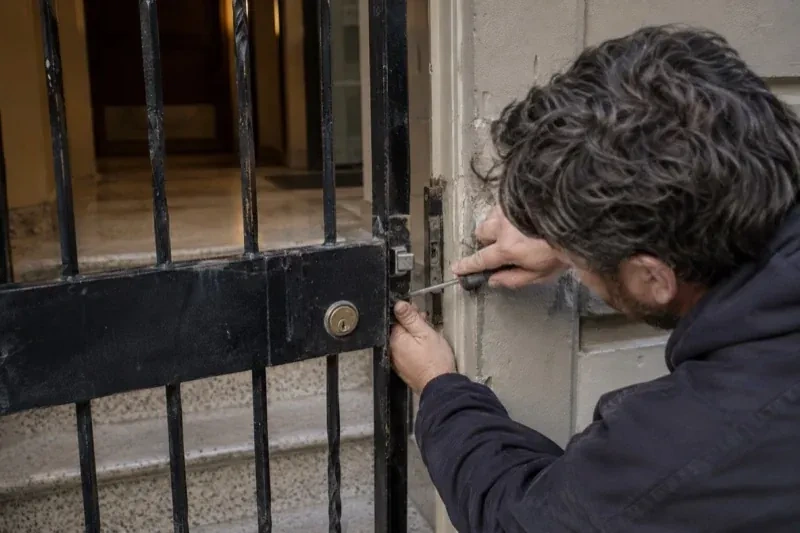
- Someone pried at the gate latch overnight, and now the strike plate hangs by one screw and the cylinder spins loose in its housing.Gate & Building Entry Locks
Change or Rekey Locks
New keys for the locks you have, or new locks where the hardware has worn out: rekeying, replacement, deadbolts, smart locks and older mortise hardware.
Lock Rekeying
Smart locks and user-rekeyable cylinders
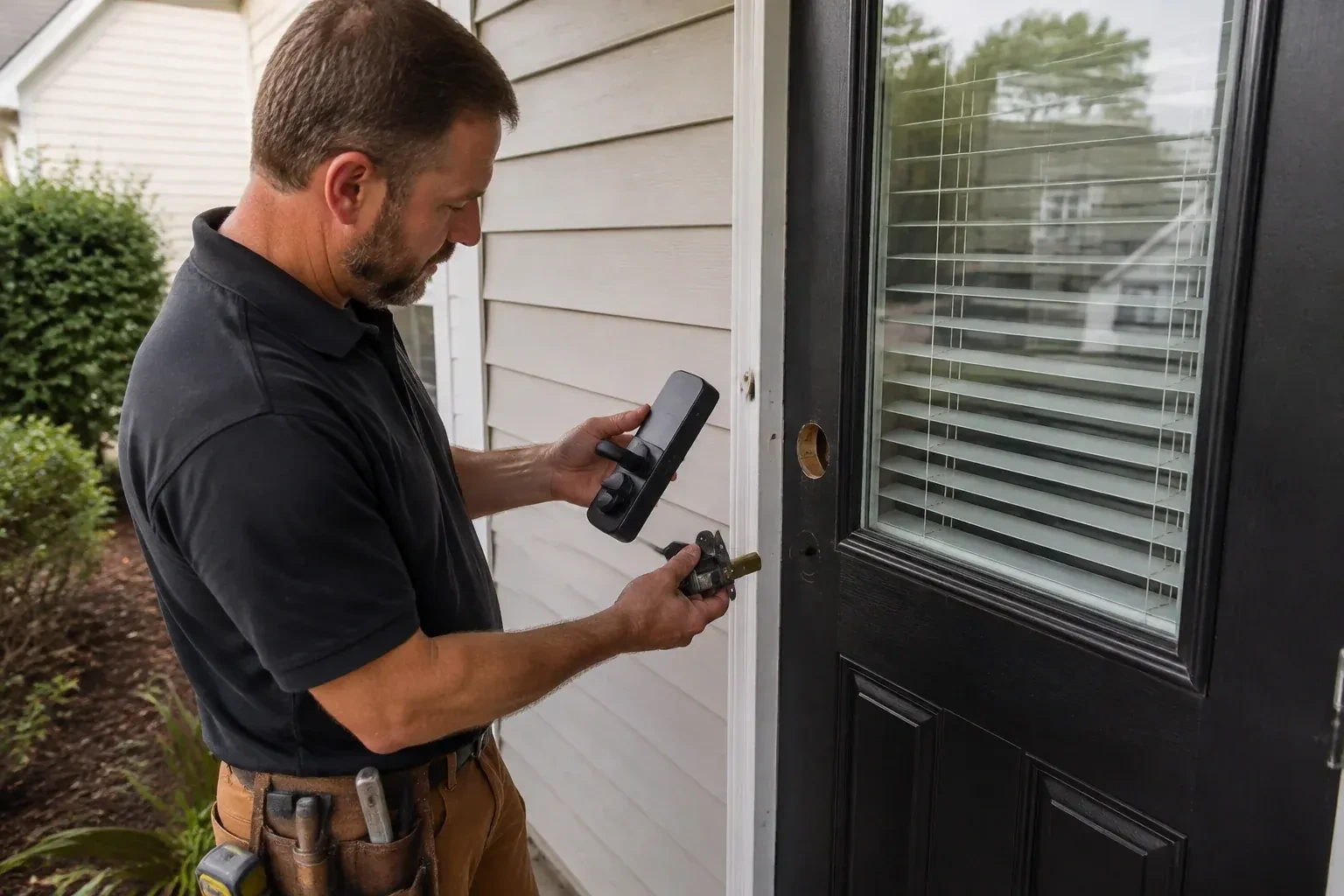
Modern hardware gets its own look. Many keypad or app-controlled deadbolts have a conventional override cylinder behind a cover that can be rekeyed to the house key so the backup key is not a stranger on your ring, though some models are key-free and use an external battery backup instead. Some residential cylinders are designed to be reset by the owner with a small tool and a working key; the locksmith checks whether one has been reset correctly and whether it accepts the new key.
Where a smart lock is being kept, codes are reviewed at the same time so a departed keyholder's code goes the way of their key.