Lockouts · Whitby
Lost Keys — Same-Visit Rekey
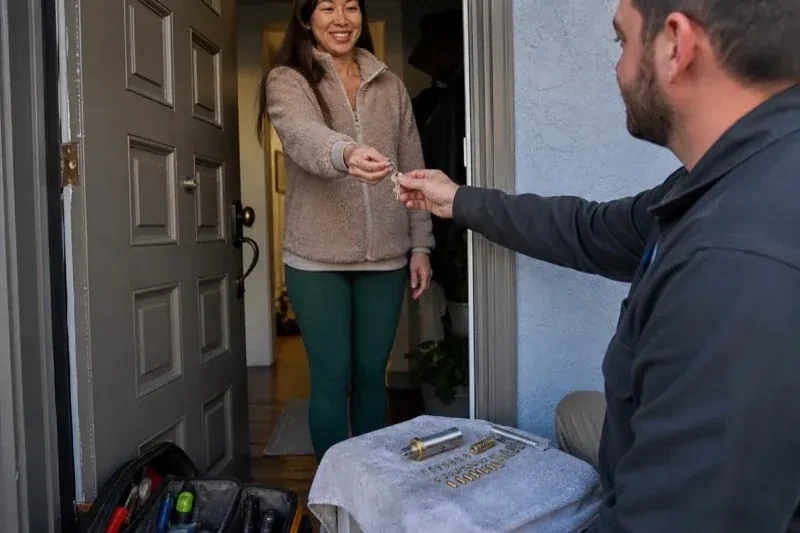
The lawyer's envelope held two keys for the new house.
In plain words
How much a lost key matters depends on what was lost with it. A ring that dropped into a lake on a canoe trip tells nobody where it fits, so the rekey is a tidy precaution. A ring taken with a wallet or bag that carried your address is a different story: someone now holds both the key and the door it opens, and the rekey comes first. The locksmith asks about this on the phone, says plainly which situation you are in, and schedules the visit accordingly. The work is the same either way, and so is the outcome: a key nobody else has.
How the visit goesThe keys fell out of a gym bag somewhere between the arena and the parking lot. The ring has a tag from the building with the unit number on it. Whoever finds it has an address and a key that fits.
Lost Keys — Same-Visit Rekey
How the visit goes
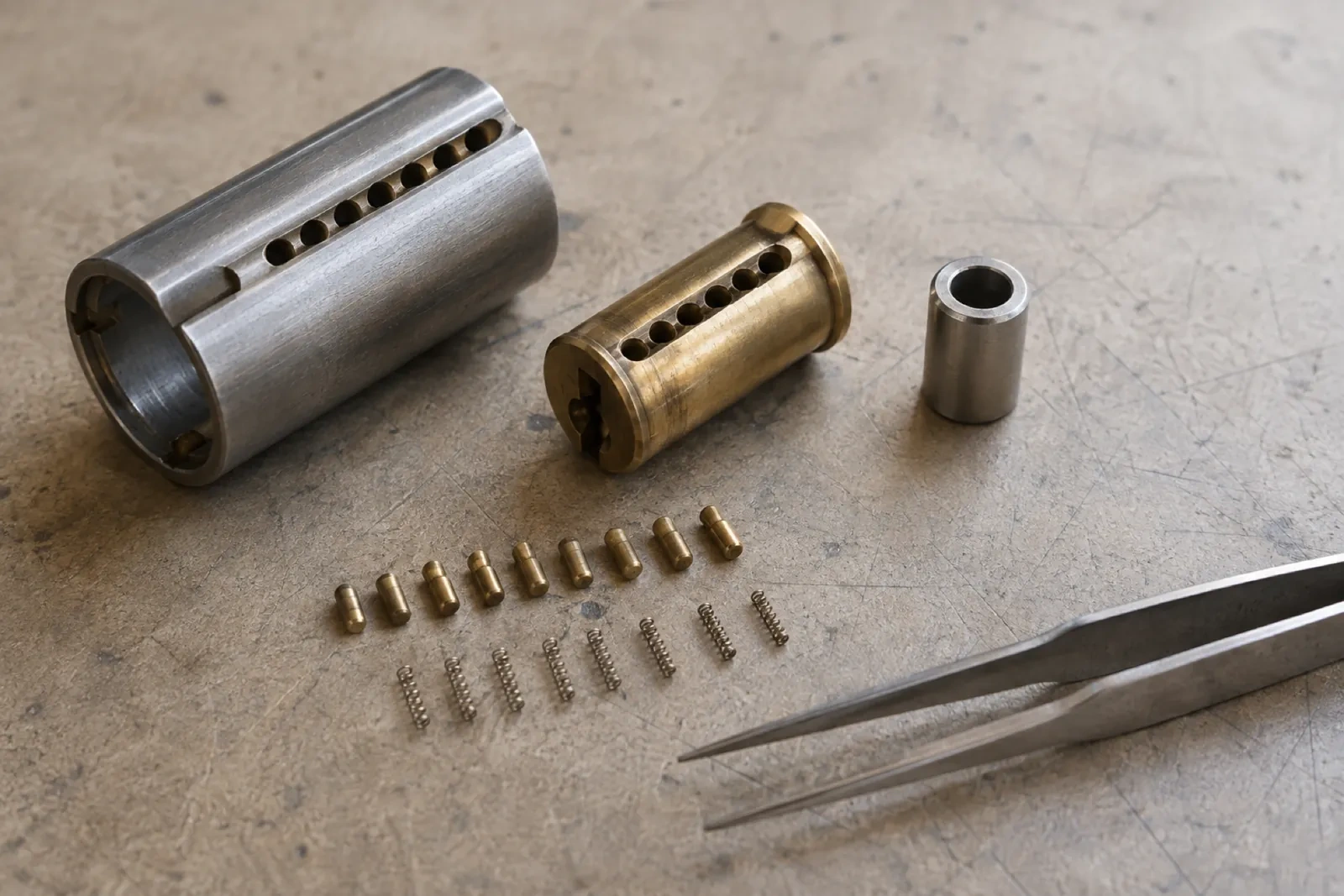
Rekey or replace, cylinder by cylinder
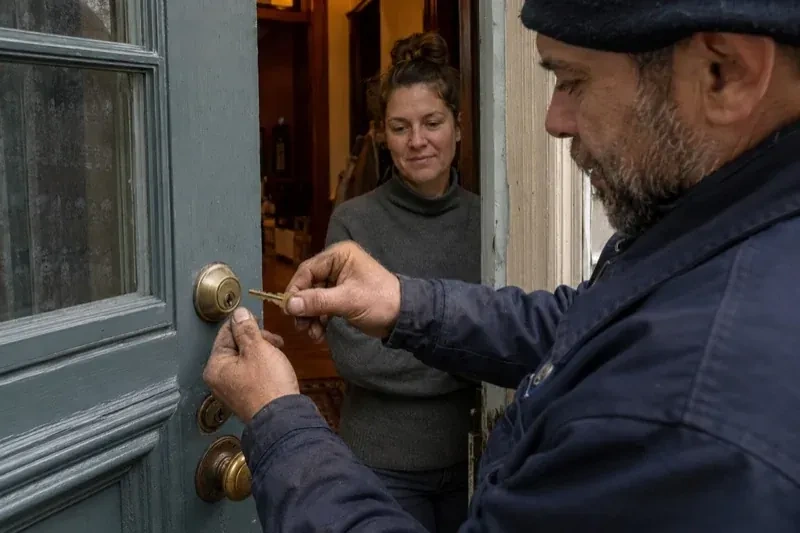
Rekeying suits hardware in sound condition, and most cylinders on a house qualify. The locksmith flags the exceptions while the list is being made: a plug worn oval by decades of use, a cylinder packed with salt and grit from a side door that faces the driveway, a knob lock so light it offers little resistance, or a keyway that no longer has blanks available. For those, a replacement cylinder or a complete new deadbolt keyed to match the rest is proposed as its own item, so you decide door by door. The aim is that every cylinder leaving the visit on a new key is one that will keep turning well for years.
Removing the cylinder without disturbing the door
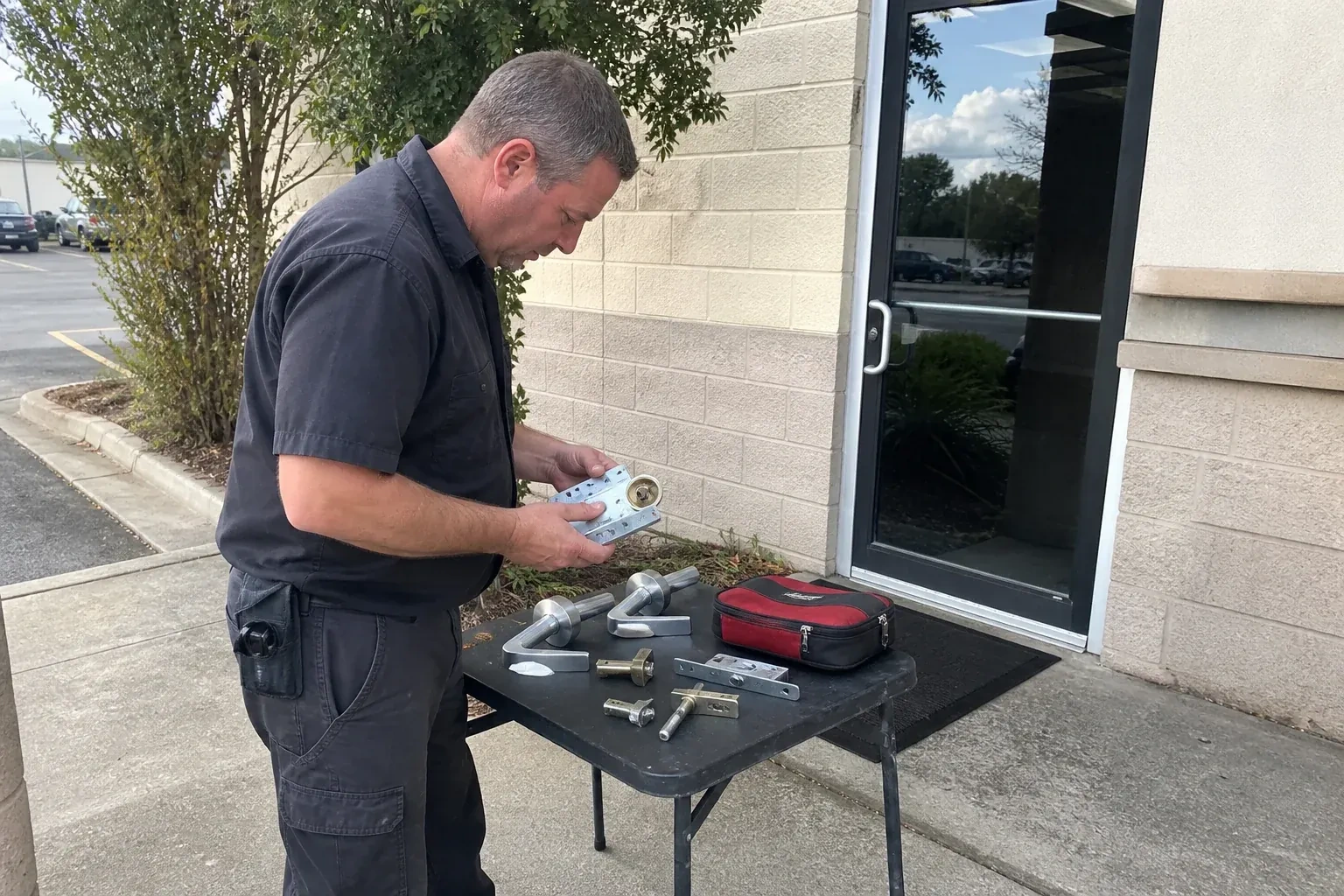
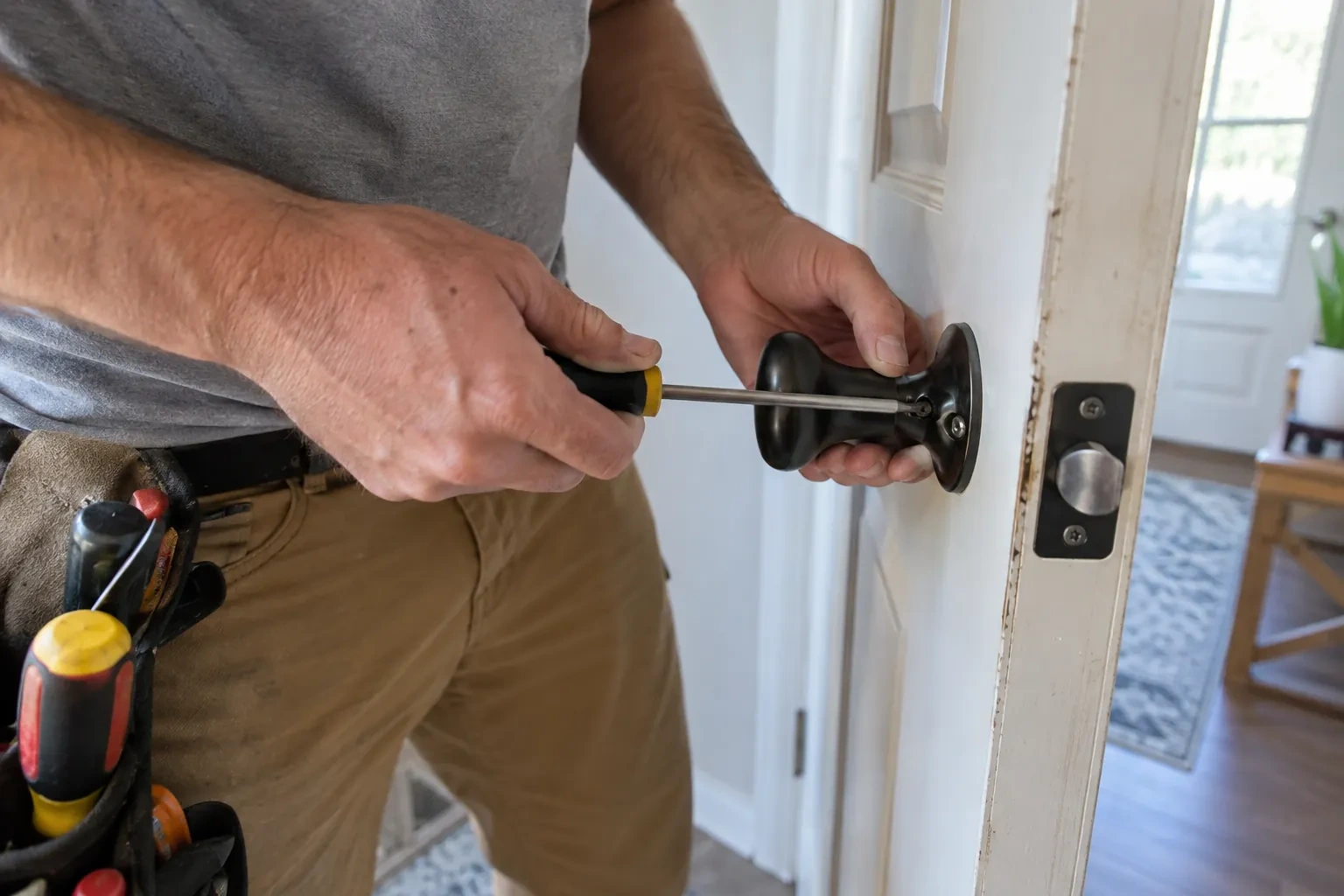
Each cylinder comes off in the way its lock allows, and the door itself is never cut or drilled. A knob or lever lock releases its cylinder once the knob is slipped off its spindle and a retaining clip or cap is eased back. A deadbolt cylinder comes out when the interior thumb-turn assembly is unscrewed and the housing lifts away. A mortise cylinder in an older door backs out after its small set screw is loosened, and a rim cylinder on a night latch unscrews from its back plate. Each piece is set aside with its own screws so the door goes back together exactly as it was.
A note for the landlord or building manager
Where a tenancy, a condominium or a commercial lease is involved, the visit ends with a plain written note: which cylinders were rekeyed, how many keys were cut, who received them, and the key code if the property keeps a register. Tenants pass it to the landlord along with the landlord's set of new keys, keeping the paper trail on both sides current. Condominium managers can update the building's key record. A small business can file it with the lease. It is a few lines that save a long conversation later.
Lost Keys — Same-Visit Rekey
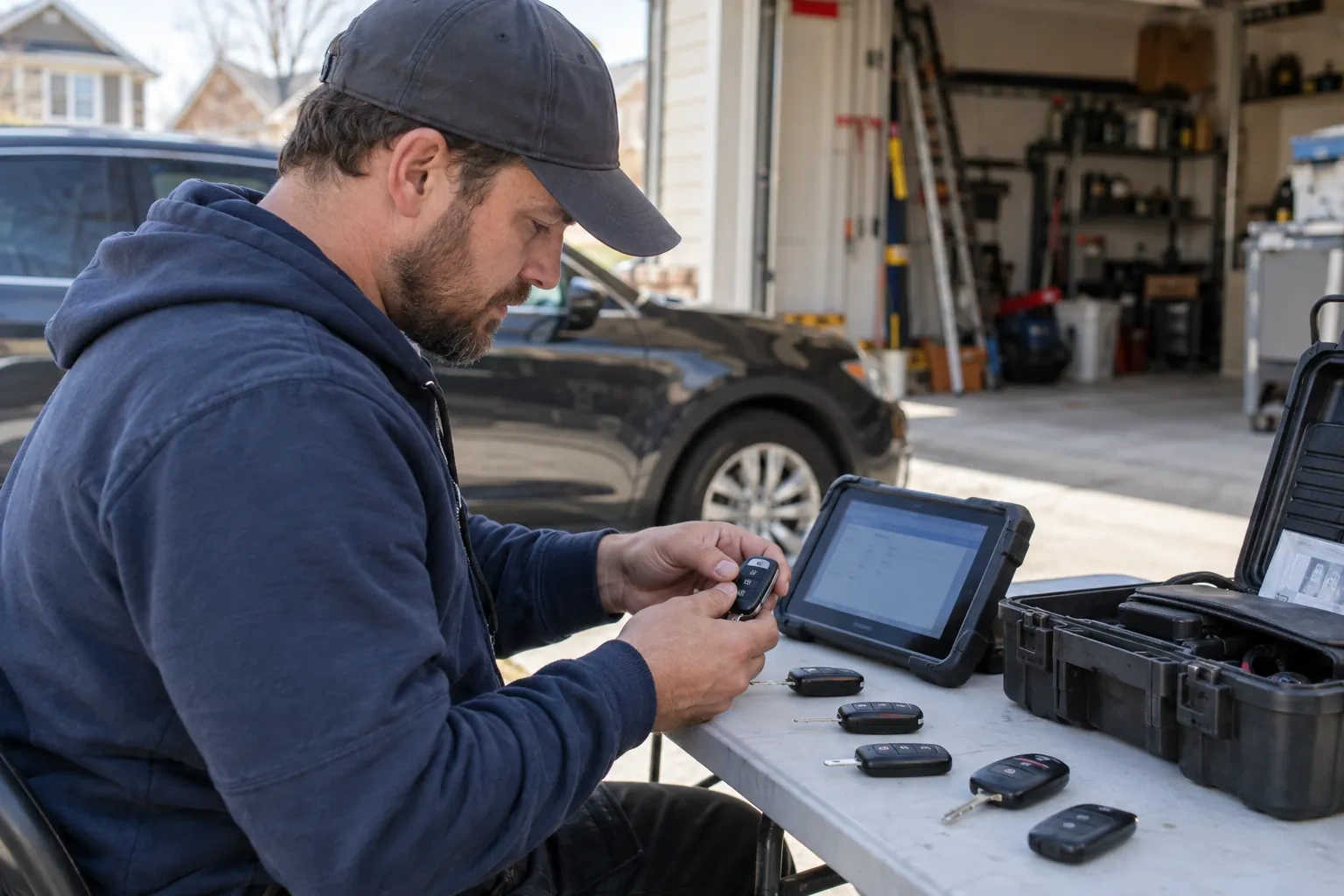
In the van
Key blanks in common keyways
Key tags and a key register
Rekeying pin kit
Cylinder retaining-clip and cap tools
Key gauge and decoder
Lost Keys — Same-Visit Rekey
What affects the quote
Entry as well as rekeying
If the lost key was your only key and you are locked out too, the door is opened first and that opening is quoted as its own step ahead of the rekey.
Homeowner-rekeyable cylinders without a working key
Resetting a homeowner-rekeyable cylinder when its key is gone uses that system's own reset fixture, where the installed lock supports one, and a few extra minutes per cylinder, which shows as a small line on the quote.
Paperwork for a landlord or building
Where a landlord, condominium or lease requires a written record of the lock change and key count, preparing that note and any key register update is a small named item.
What to have ready
- How many people will need a key afterwards?
- Which doors did the missing key open: front, back, side, garage, shed, gate?
- Was anything with your address, such as a licence or a mail tag, lost with the keys?
Lost Keys — Same-Visit Rekey: questions
QuestionsHow long does a whole-house rekey take?
Plan on an hour or two for a typical house with three or four cylinders, including the walk-through, identification, pinning, cutting and testing. Each additional cylinder adds a little, as does swapping a cylinder to bring a mismatched door onto the same key, resetting a homeowner-rekeyable lock or clearing a garage opener. The locksmith gives a realistic window on the phone once the list of doors is known.
The ring was stolen with my wallet and licence. What changes?
The priority. A stolen wallet gives the holder your address, and the ring gives them the key to it, so the rekey moves to the front of the queue and the locksmith says so when you call. The work itself is the same: every cylinder the key fitted is repinned and new keys are cut. It helps to list the doors on the phone so the right pin kits and blanks are on the van when it arrives.
Is rekeying the same as changing the locks?
They lead to the same result, a door that a different key opens, by different means. Changing the locks puts new hardware on the door. Rekeying keeps the deadbolt and handle you have and changes what is inside the cylinder, commonly the bottom pins on a conventional lock or a reset on a homeowner-rekeyable one, so a new key operates it and the old one turns nothing. For hardware in good condition, rekeying is the natural choice after a lost key because nothing about the door's look or fit changes.