Change or rekey · Port Whitby
Lock Replacement & Upgrade in Port Whitby
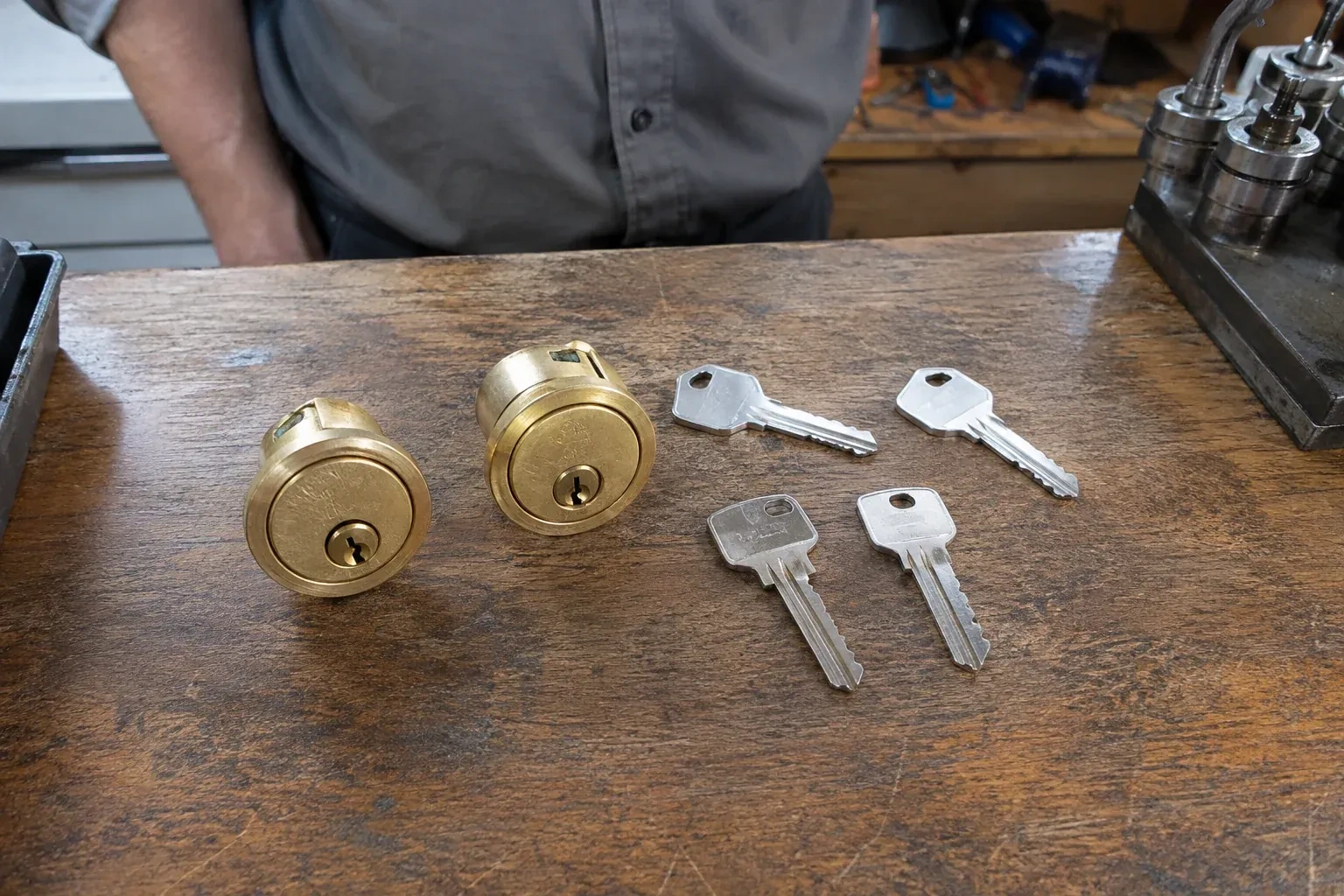
The keys the seller handed over came in a sandwich bag: six unlabelled copies for two locks of different makes from different decades.
In plain words
After a break-in or an attempt, the door tells a story, and the new hardware should answer it. Splintered wood around the strike means the jamb gave before the lock did, so the repair pairs a heavier deadbolt with a reinforced strike and 75 millimetre screws that reach the framing behind the jamb. A bent bolt or cracked housing is replaced with a graded deadbolt whose bolt has a hardened core. A knob lock that was bumped or forced is swapped for a set with better pins. The aim is a whole opening that resists force, not merely a shinier lock.
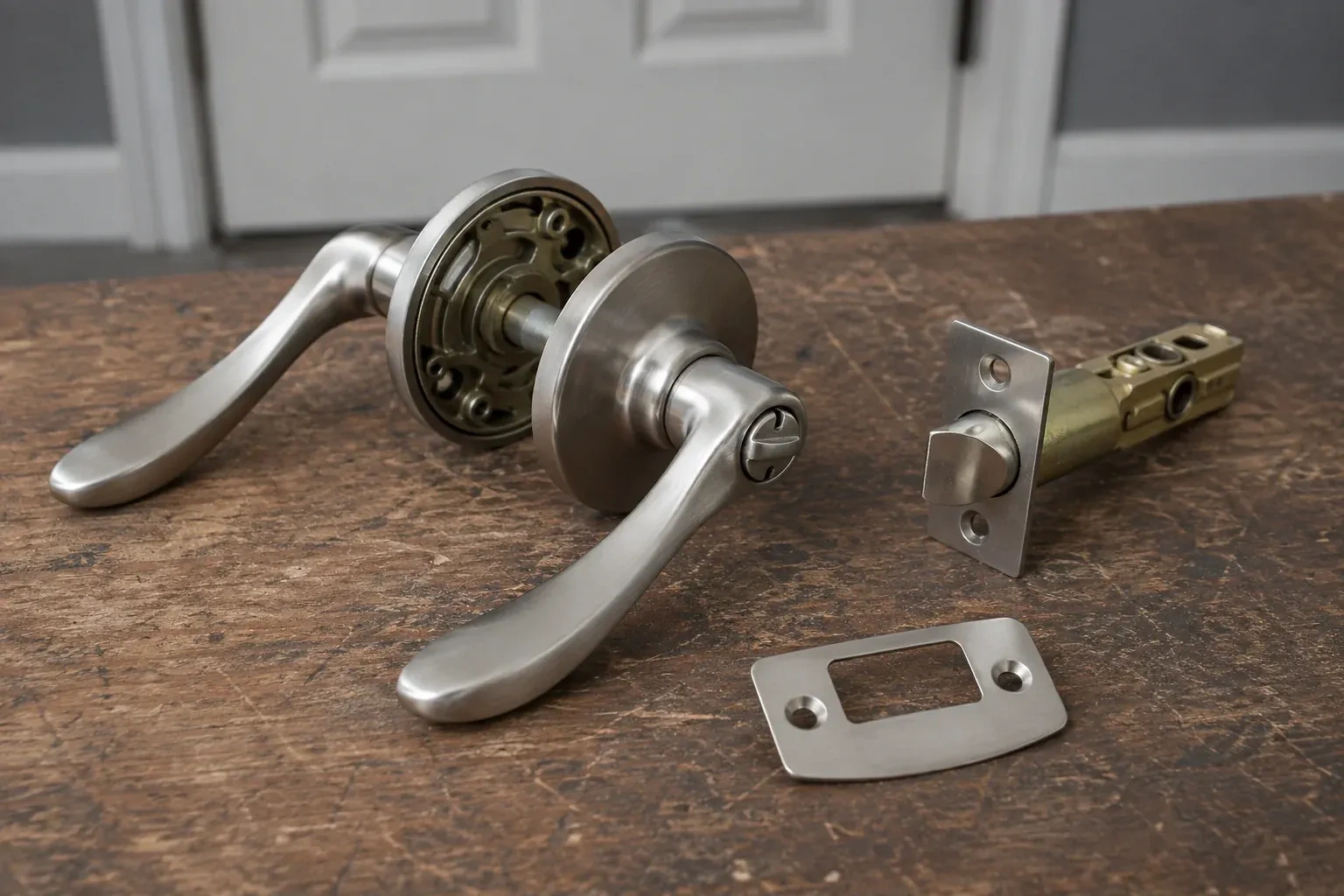
How the visit goesThe lever on the side door droops toward the floor and rattles in your hand. The latch no longer springs back on its own, so the door drifts open behind you unless you pull it shut and check it twice.
Lock Replacement & Upgrade
How the visit goes
The door and frame around the lock
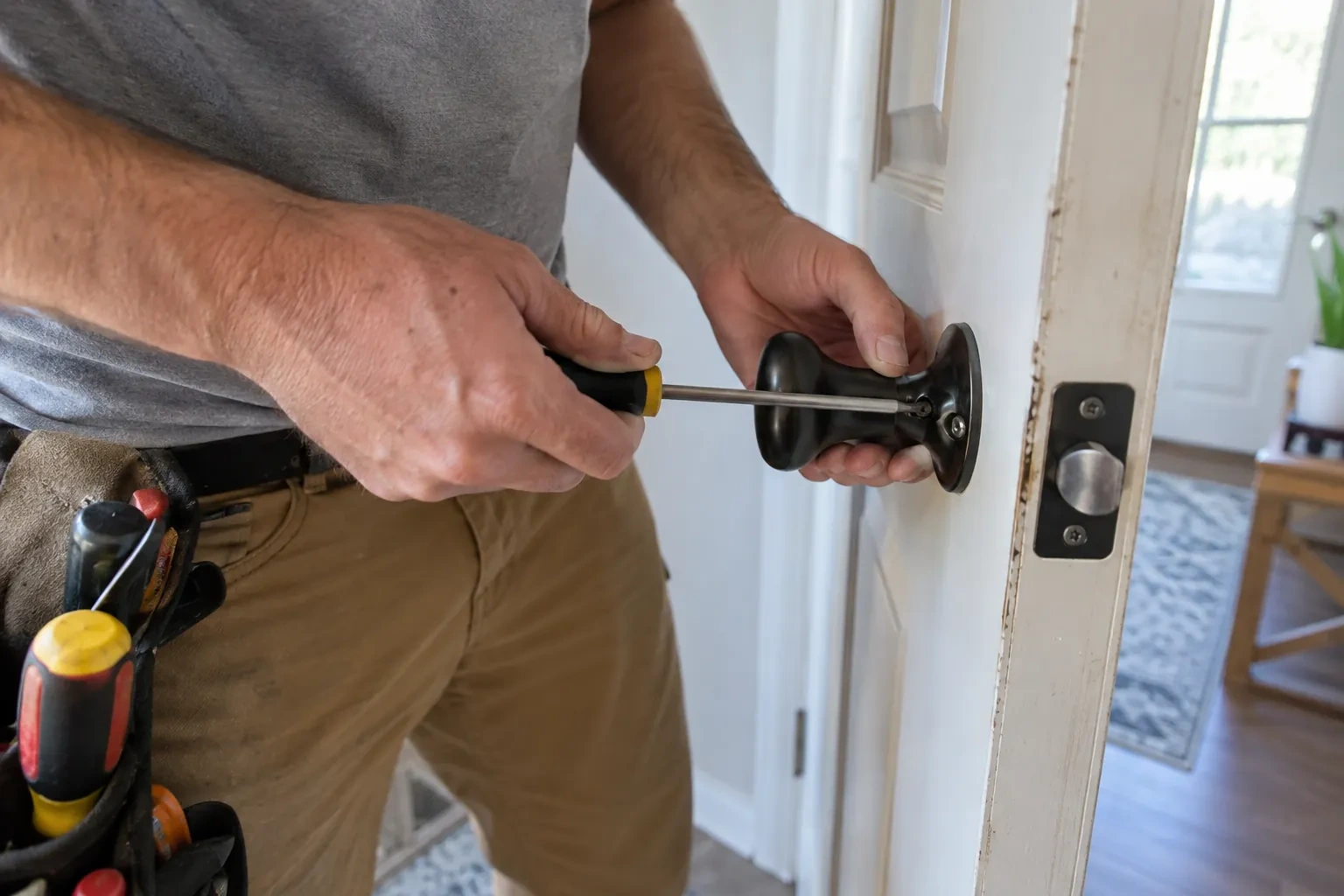
A new lock inherits whatever the door and frame are doing, so both get a look. The locksmith checks whether the door has dropped on its hinges, whether weatherstrip is pushing it out of square, and whether the bolt lands squarely in the strike pocket or rubs its edge. The pocket depth matters as well: a bolt that reaches the back of a shallow pocket is not fully thrown. Hinge screws, a jamb split from an old forced entry and a strike held by short screws are all noted, because the visit will tidy them up so the new hardware works as designed.
Keying the new locks to one key
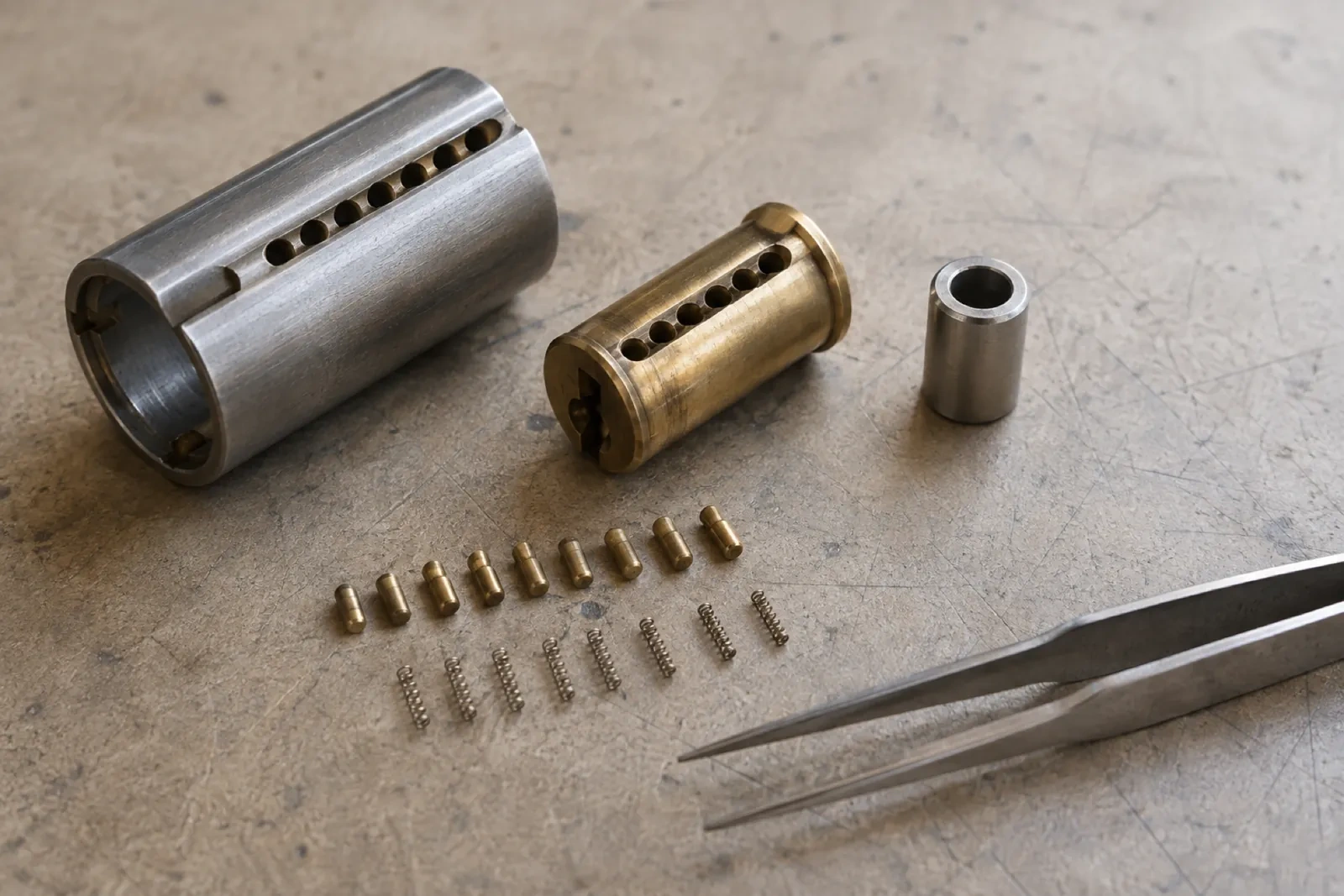
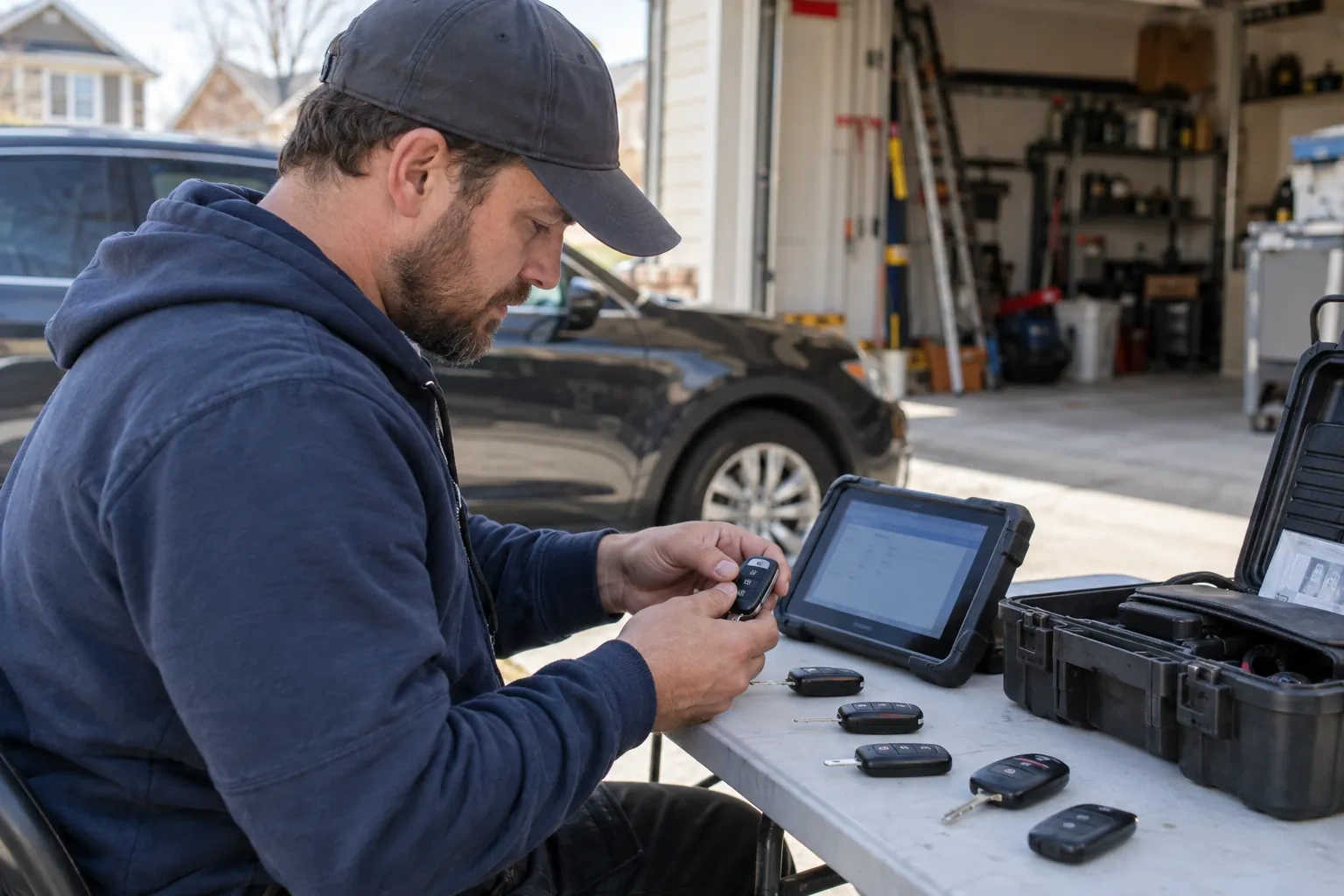
New cylinders arrive on random keys, so the locksmith pins them alike on site when you want one key for the house. Each cylinder is removed, the plug slid out on a follower so the springs stay put, and the bottom pins replaced to match a single new key. Existing cylinders that are staying are repinned the same way. Every key is then cut from the new combination, tried in every lock it should open, and any that drag are recut rather than handed over. The result is one key for the front, back and garage doors, and a clear count of how many exist.
Simple habits that keep new hardware new
New locks ask very little. Once or twice a year, or at whatever interval the lock maker specifies, a puff of the lubricant that maker calls for in the keyway and a few turns of the key keep the pins moving freely, since the wrong product for that cylinder gathers grit instead of helping it. In winter, wipe salt spray off the exterior hardware when it appears, since salt is the finish's main enemy here. Each spring and fall, check that the hinge and strike screws are snug, because wood doors move with humidity and a dropped door makes a good lock feel worn. A key that starts to need coaxing is an early word from the cylinder.
Lock Replacement & Upgrade
In the van
Manufacturer-approved cylinder lubricant
Graded deadbolt
75 millimetre strike and hinge screws
Key blanks and key cutter
Reinforced strike plate and strike box
Lock Replacement & Upgrade
What affects the quote
Changes to the door preparation
Adjusting a strike mortise is minor; boring a new hole for a deadbolt, fitting a filler plate over an old mortise pocket or adapting a thick door with extension kits is quoted as its own item.
Keying alike and rekeying
Pinning new cylinders to one key and repinning existing locks to match is work per cylinder, so a whole house on a single key is quoted by the number of locks joining it.
Number of doors
One back door is a small visit; the front, back, side, garage man-door and patio slider together are a longer one, though several doors done at once share the travel and setup.
What to have ready
- Is the door wood, steel or fibreglass, and roughly how thick is it?
- Is the problem wear, damage, looks, a change of function or too many keys?
- Is there glass in or beside the door?
Lock Replacement & Upgrade: questions
QuestionsCan I replace only the deadbolt and keep my existing knob?
Yes. The deadbolt and the knob or lever are separate locks in separate bores, so one can be replaced while the other stays. The new deadbolt can be pinned to work on the same key as the knob if the keyways are compatible, and its finish can be matched to the knob so the door looks intended. Replacing the deadbolt first is a sensible order, since it does most of the securing.
My old house has a mortise lock. Can it take modern hardware?
Often the original case can be kept and given a new cylinder and strike, which keeps the period look and the old door intact. Where the case is beyond service, a filler or conversion plate covers the mortise pocket and lets a cylindrical deadbolt or knob set be fitted without cutting into the door's stile. The locksmith looks at the door before recommending either path, since old doors vary a great deal.
My deadbolt only locks if I push the door. Will a new lock cure that?
The push is a sign the bolt and the strike pocket are out of line, which is a door and frame matter more than a lock fault. A new deadbolt is welcome if the old one is worn, but the visit also adjusts the strike, deepens the pocket or tightens hinges so the bolt throws freely with the door simply closed. Done together, the door locks with a fingertip and the new hardware works as designed.
Related services
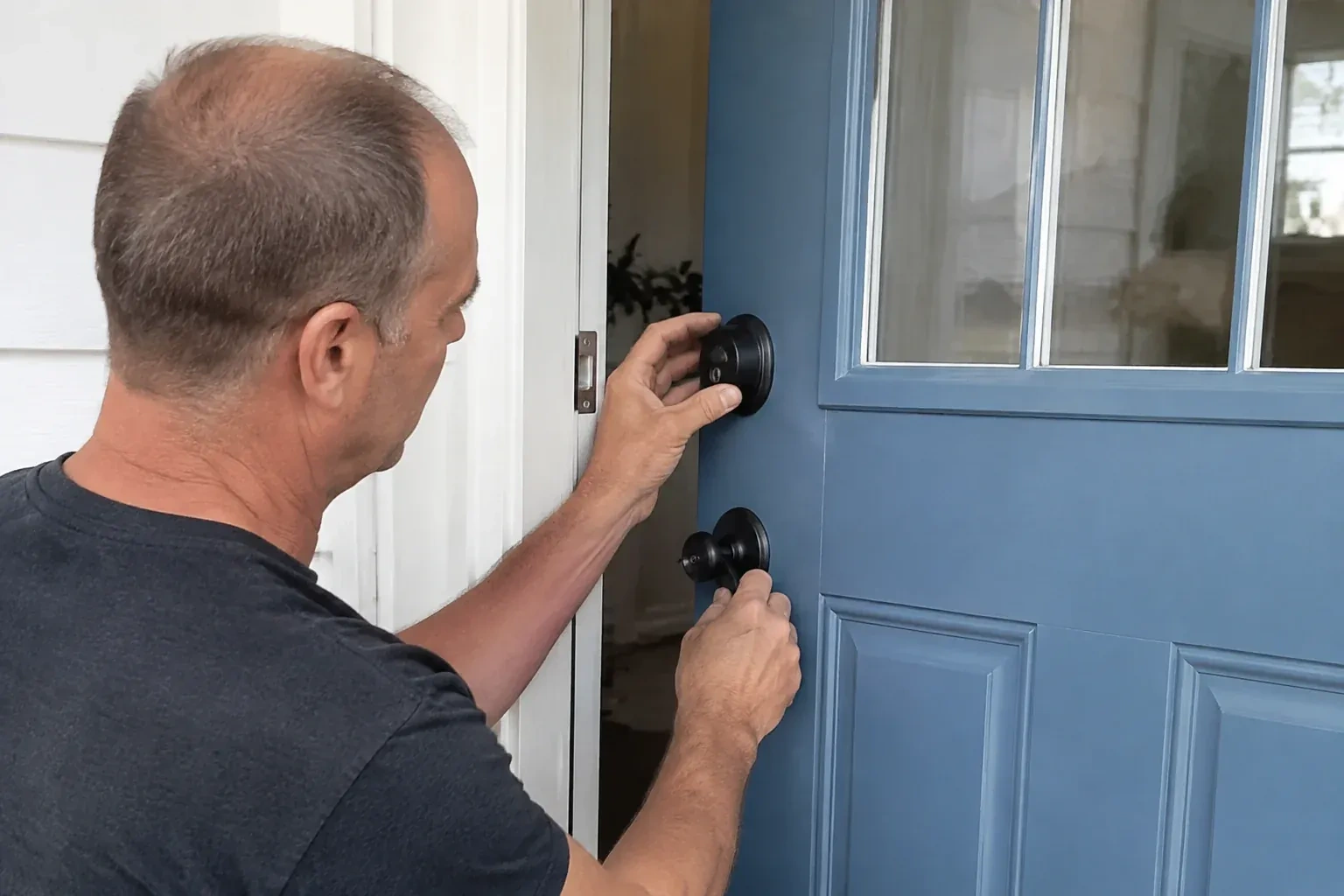
- Deadbolt InstallationThe back door has a deadbolt in name only: a short bolt, a thin brass strike held by two little screws, and a jamb you can flex with your palm.
- Vintage Mortise Lock ServiceThe key turns freely in the round cylinder on the door, all the way around and back, without the bolt shifting at all.
- Smart Lock InstallationHalf the evenings someone asks whether the back door got locked, and nobody is sure.