Car keys · Whitby
Car Lockout Service in Whitby
Your toddler is buckled in the back seat, the doors locked when you shut yours, and your keys are on the front seat beside your phone.
In plain words
Safety and authorisation frame every car lockout, and both are on your side. Confirming that you own the vehicle, or have its owner's say-so, protects your car from being opened for anyone else who might one day claim it; photo identification with the vehicle permit or a rental agreement settles it, and the check can finish once the glovebox is reachable. On a highway shoulder the locksmith parks as a shield, works from the side away from traffic and keeps hazard lights going, following the same rules the provincial driver's handbook gives stranded drivers. A calm, methodical opening is the outcome of both.
How the visit goesThe rental van came with one key. It went into the door lock, turned partway, and snapped, leaving half the blade in the cylinder and the other half in your hand. The delivery is due, the van is locked, and the rental desk is an hour away.
Car Lockout Service
How the visit goes
Where the keys actually are
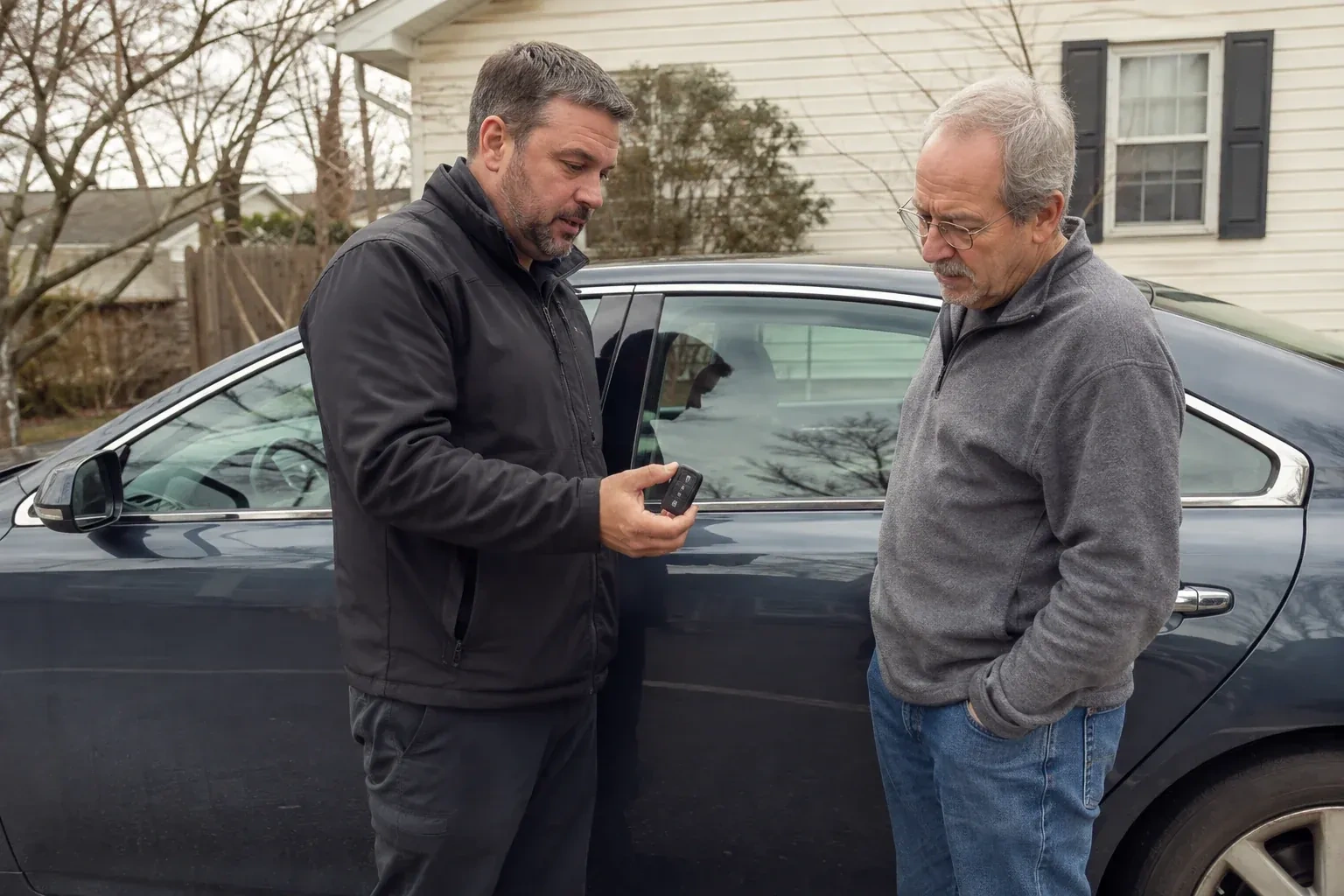
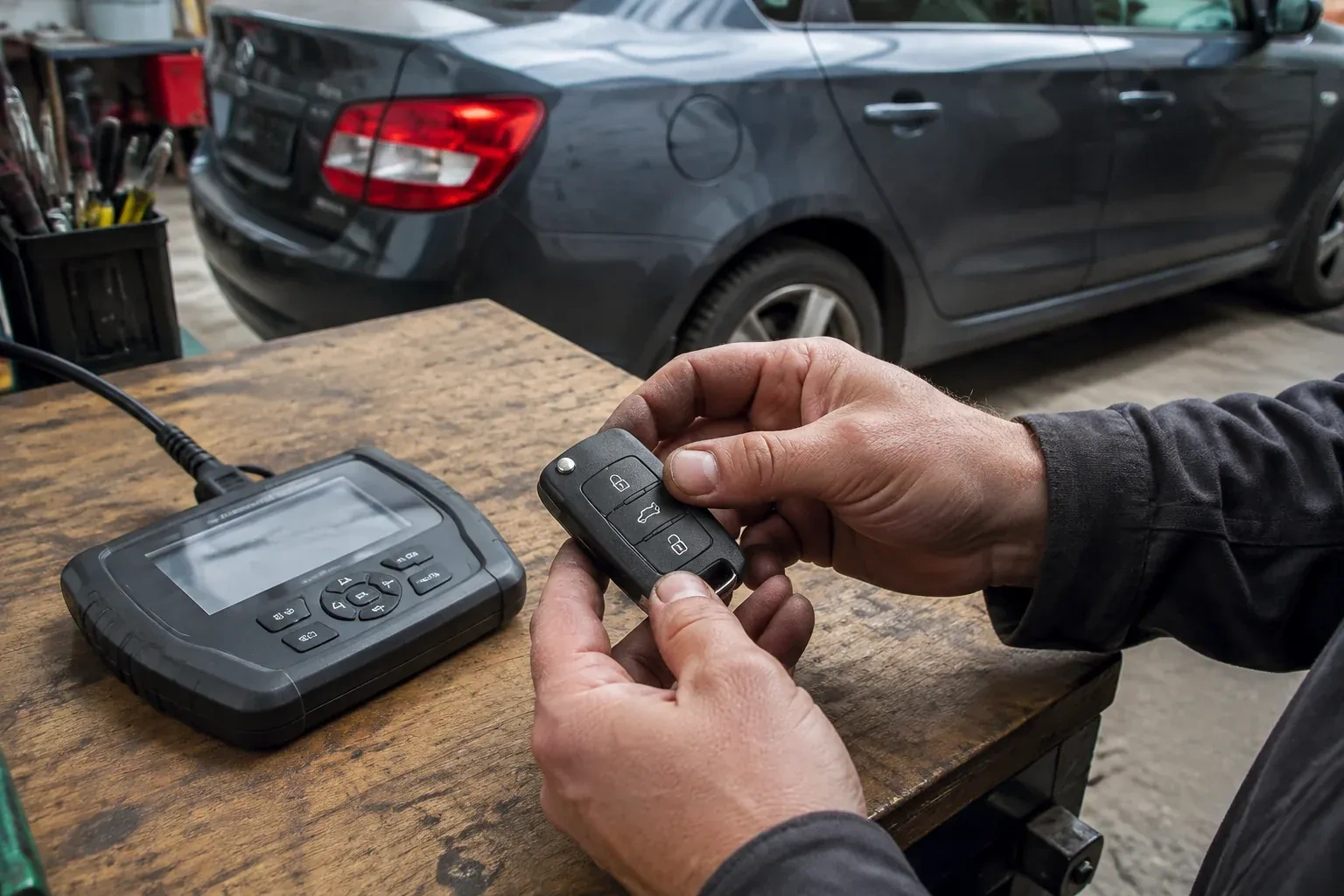
The second question decides the shape of the visit. Keys on the seat or in the ignition mean a cabin opening only. Keys in the trunk mean the cabin is tried first where a usable release exists, and the trunk cylinder itself is decoded where it does not. A silent fob may mean a flat coin battery, a dead car battery, or a fob left inside a car that locked anyway. Keys lost on a trail, in the snow or with a stolen bag mean that entry is the start and a new key is the finish. A few honest sentences about the last time you saw the keys tell the locksmith what to bring to the door.
Thawing a frozen lock or door
Ice is met with patience. Lock de-icer goes into the keyway and a gentle heat source warms the cylinder face until the plug turns without resistance; hot water is never used, because it refreezes and can crack cold metal or glass. A door frozen to its seal is released by pressing along the edge to break the ice rather than yanking the handle, which can tear the rubber. Once open, the cylinder is dried and dressed with whatever lubricant the vehicle maker specifies for cold weather, the seals are wiped and treated with silicone so they do not bond again, and the fob battery is checked since cold is hard on coin cells.
Ready for the next freeze
After a winter lockout the car is set up to take the next cold snap in stride. The door cylinder has been dried and given whatever lubricant the vehicle maker specifies for cold weather, and the door seals have been wiped and treated with silicone so they release instead of bonding to the frame. A small tube of lock de-icer for a coat pocket, never left in the locked car, covers the mornings a keyway ices over. Parking nose-out of the wind where you can, keeping the driver's door seal clean of slush, and swapping the fob battery each autumn are the small habits that carry a car through to spring.
Car Lockout Service
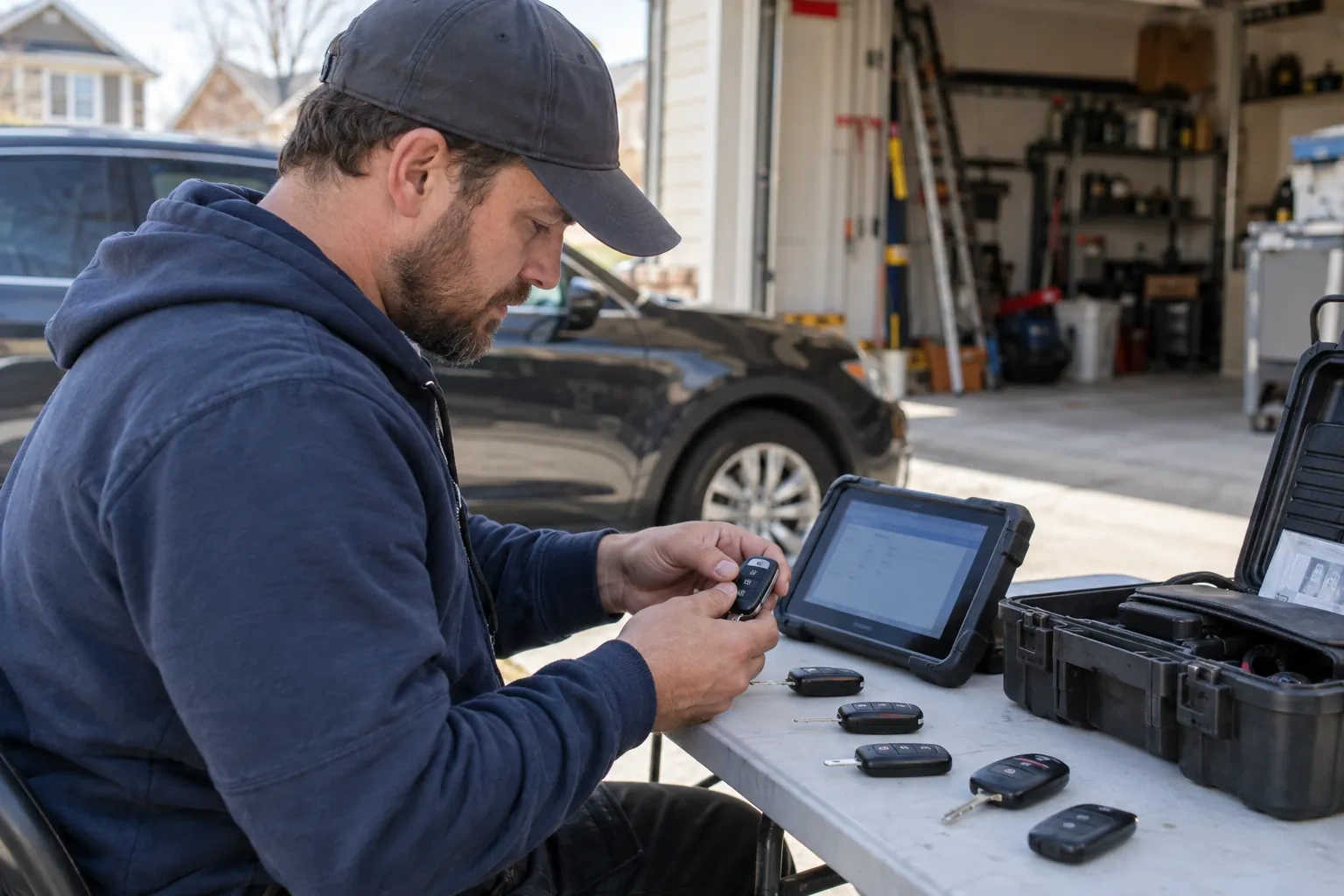
In the van
Inflatable air wedge
Door-edge guards
Broken key extractors
Padded long-reach tool
Lock de-icer
Car Lockout Service
What affects the quote
Keys inside versus keys lost
If the keys are on the seat, the visit ends when the door opens. If they are gone, cutting and programming a replacement is a second stage of work quoted on its own.
Trunk-only or full cabin lockout
Keys in the trunk usually mean a cabin opening followed by an interior release. A car with a valet-isolated trunk means decoding the trunk cylinder as well, which is a longer job.
Anything you add while the locksmith is there
Some drivers use the visit to have a spare key made, a worn cylinder serviced or the fob battery changed. None of it is needed to get in; each is offered as a separate choice.
What to have ready
- If the keys are lost, do you want a replacement key made in the same visit?
- Where are the keys right now: inside, in the trunk, lost, broken or in a fob that has stopped working?
- Is the lock or the door frozen, and how cold has it been overnight?
Car Lockout Service: questions
QuestionsWill opening the car damage the paint, the door or the seal?
A professional opening leaves nothing behind. Door-edge guards sit between tools and paint, the air wedge is inflated in small steps so the frame flexes evenly and returns to shape, and the reach tool is padded. Where the car has a door cylinder, a matched pick-and-decoder turns it exactly as a key would. Any mark already present is pointed out before work begins, and the door, glass and seal are checked over at the end.
How can I avoid locking myself out of the car again?
Make one habit stick: keys go into a pocket before any door closes. Keep a spare at home or with someone nearby, and store a spare fob away from the main one. Change your fob battery every autumn before the cold arrives. If your car offers a setting that stops the doors locking with the fob inside, turn it on. Keep a photo of your vehicle permit on your phone so identification is never behind glass.
There is a dog inside and the car is getting hot. Who do I call?
Call 911, and the provincial animal protection line if you cannot reach the owner; the province asks the public to report animals left in hot or cold vehicles rather than break glass themselves. Police and animal welfare inspectors have authority to enter a vehicle for an animal in distress. A locksmith can attend as well, and if you are the owner, the same careful opening gets you and the dog reunited with the car undamaged.
Related services
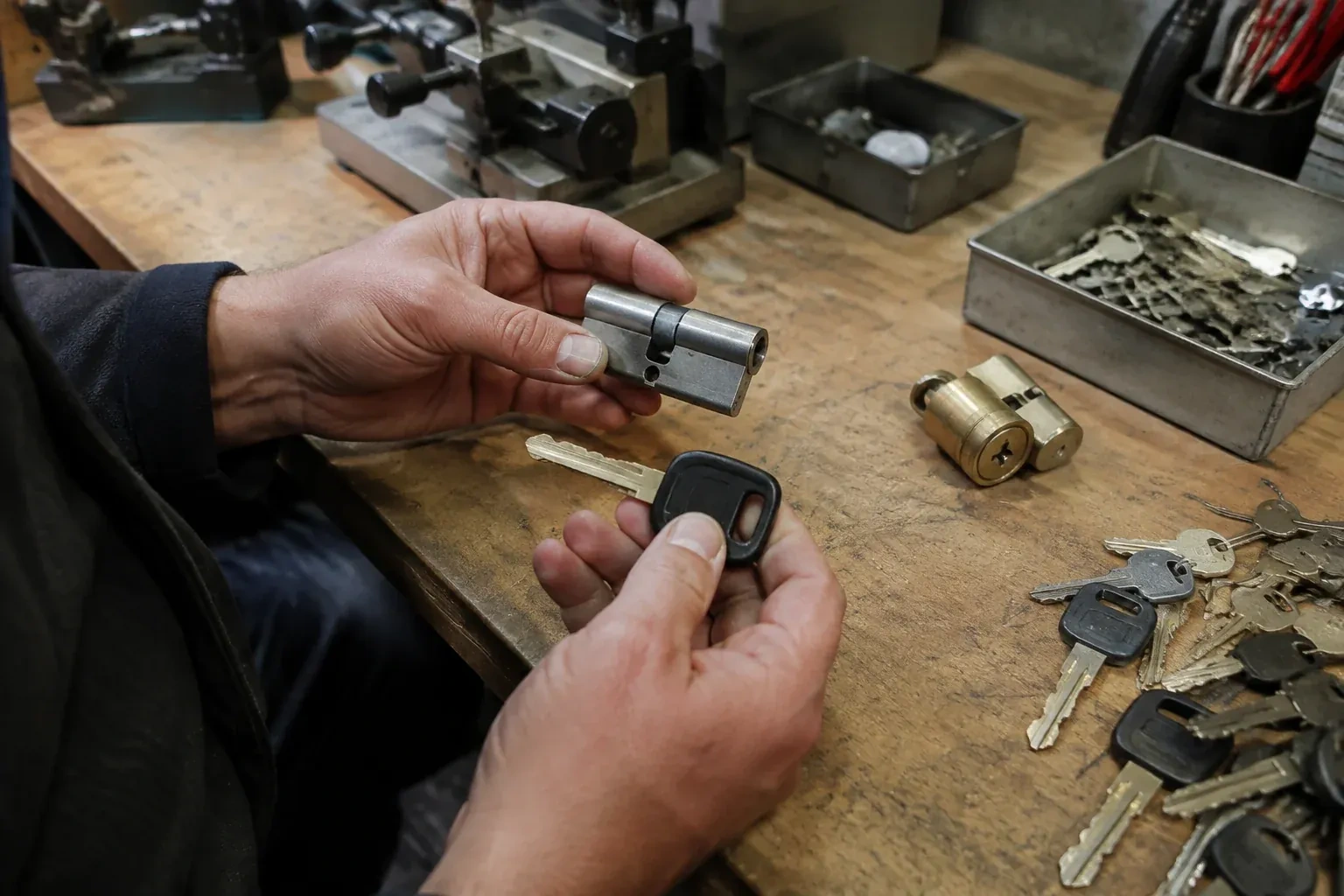
- Spare Car Key DuplicationOne key opens the car, starts the car, and rides in one pocket every day.
- Key Fob ProgrammingA replacement fob just arrived in its box, shiny and untouched.
- Transponder Key ProgrammingThe car came with a single key when the sale went through, and that key is the only thing standing between the household and being stranded.